
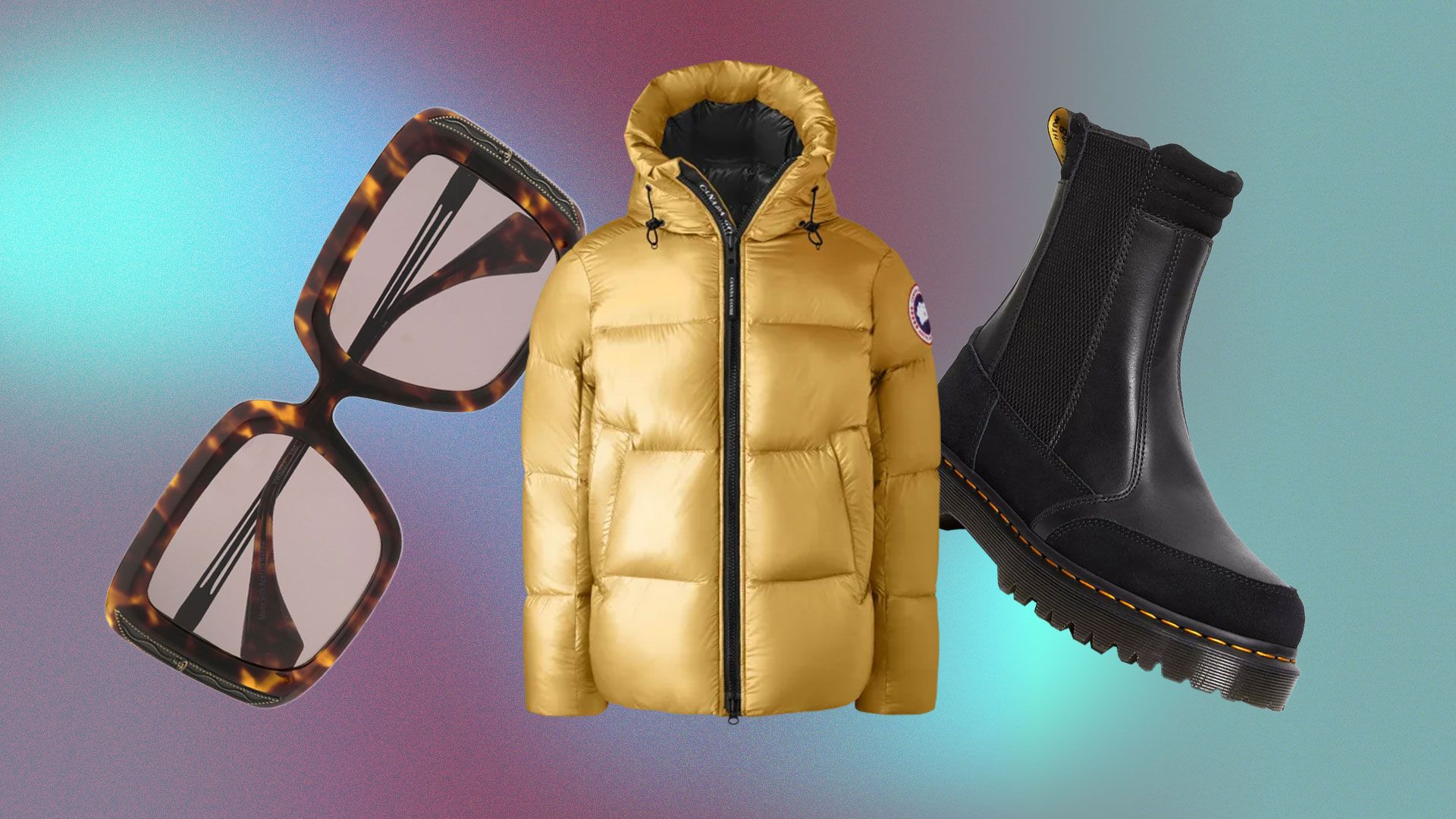

How to spot quality parka bargains
A true bargain in the outerwear market is defined by longevity, not just a low sticker price. While a $60 coat from a discount retailer might serve you for two or three winters, a quality parka from brands like LLBean, Eddie Bauer, or The North Face is built to last decades. When you factor in the cost per wear, the higher initial investment often pays for itself by keeping you warm and dry through hundreds of freezing days without falling apart.
The sweet spot for a durable, high-quality parka typically falls between $250 and $500. This range allows you to access reliable down insulation, waterproof breathable membranes, and robust zippers that withstand heavy use. You can often find premium brands like Patagonia or North Face for under $200 during end-of-season sales, but buying at the right time is only half the equation. You must also evaluate the materials and construction to ensure the coat can handle the specific harshness of your local climate.
Avoid the trap of buying the cheapest option available. Thin fabrics and poor stitching lead to cold spots and early failures. Instead, look for concrete indicators of quality: high-fill-power down, sealed seams, and durable water-repellent (DWR) coatings. These features are what separate a disposable fashion item from a reliable piece of gear that will protect you through the harshest winter storms.
Top LLBean and Eddie Bauer parkas
LLBean and Eddie Bauer built their reputations on gear that lasts, and their parka lines reflect that same pragmatic durability. Both brands prioritize functional warmth and weather protection over fleeting fashion trends, making them reliable choices for anyone spending time in cold, wet, or windy conditions. You get heavy-duty fabrics, secure closures, and insulation that actually holds up season after season.
The L.L.Bean Katahdin Iron Works Parka is a staple for those who need a jacket that can handle everything from a commute to a day on the trail. It features a robust outer shell and generous insulation, offering a balance of warmth and mobility without the bulk of expedition-grade gear. Similarly, Eddie Bauer’s Superior Down Parka leverages high-fill-power down to trap heat efficiently, ensuring you stay warm even when temperatures drop significantly.
These options represent the sweet spot for value. You aren’t paying for a luxury logo, but you are getting materials and construction that will outlast cheaper alternatives. For current availability and pricing, check the listings below to find the specific model and size that fits your needs.
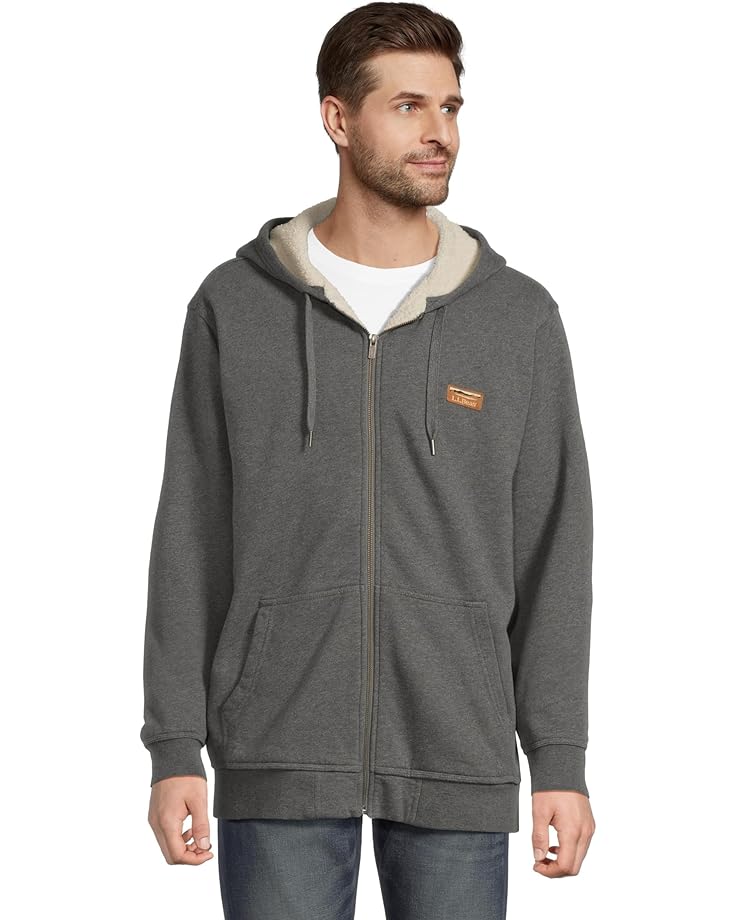

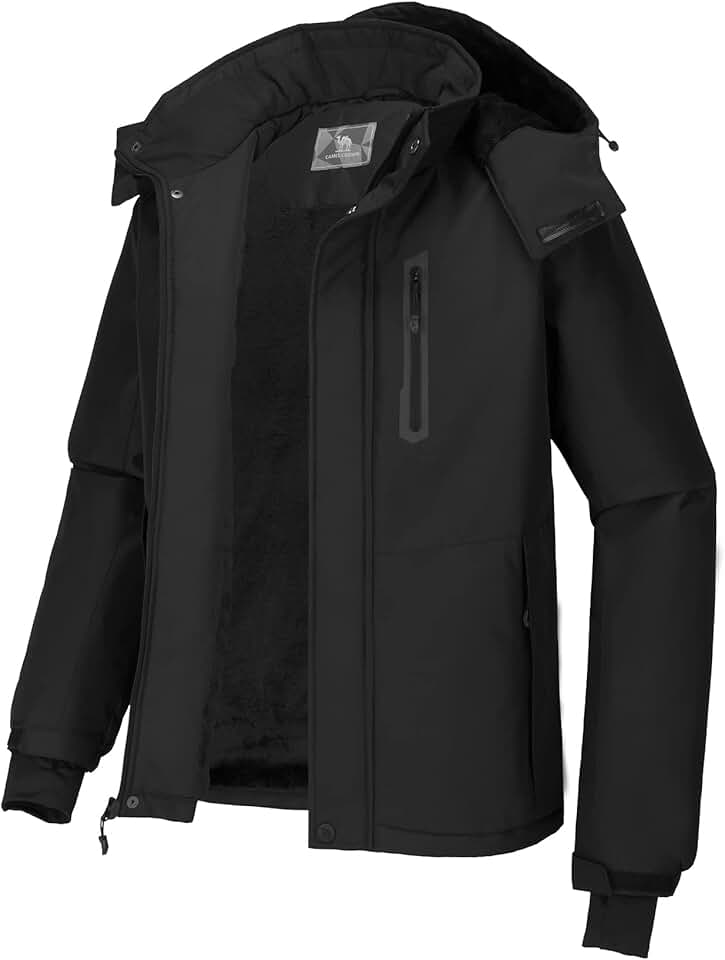
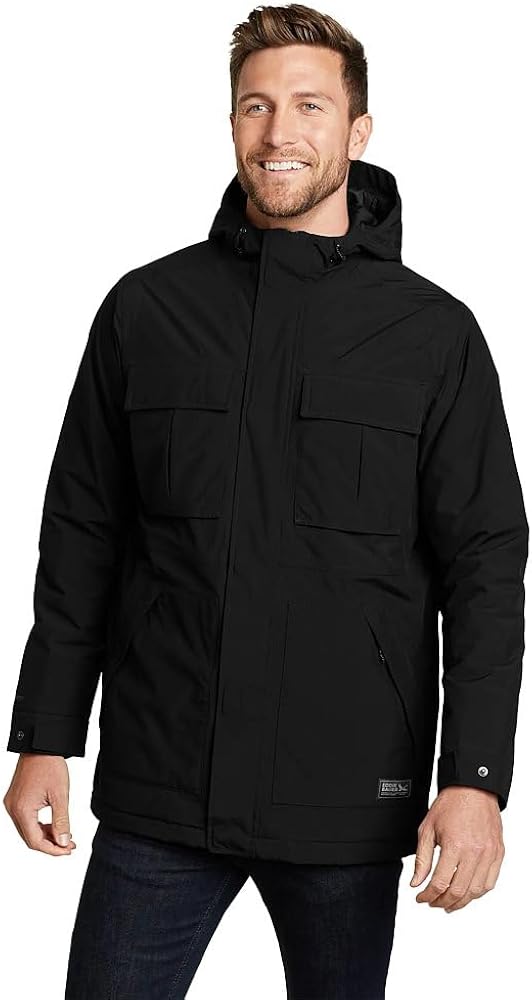
As an Amazon Associate, we may earn from qualifying purchases.
North Face parkas for extreme cold
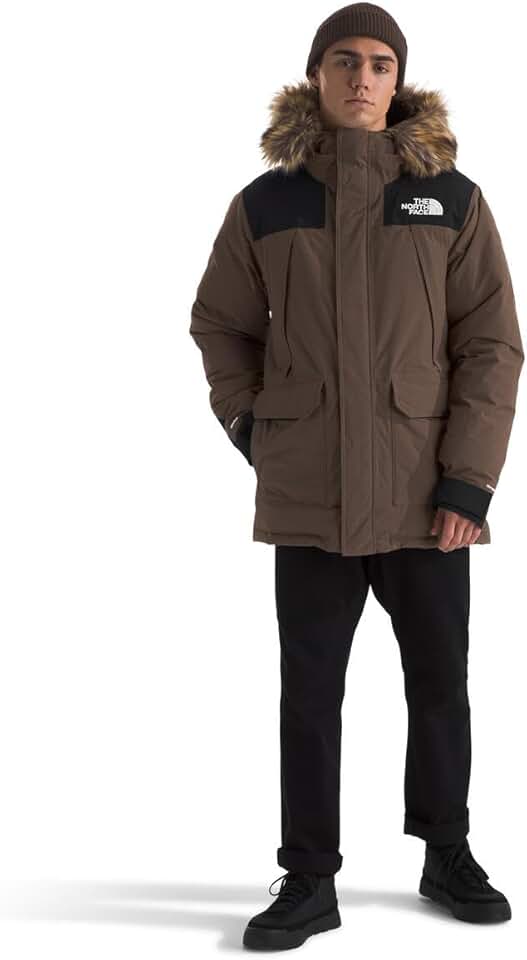
The North Face offers a tiered approach to extreme cold weather gear, balancing their iconic Nuptse aesthetic with serious expedition-grade warmth. While their entry-level puffers are popular for city wear, their high-fill-power parkas are designed for situations where hypothermia is a real risk. These jackets justify their higher price points through durable construction, reliable insulation, and the brand's extensive warranty coverage.
For those venturing into sub-zero conditions, the McMurdo Parka remains a staple. It uses 700-fill goose down and a durable water-repellent finish to handle heavy snow and wind. The fit is generous, allowing for thick mid-layers without restricting movement, making it a practical choice for both urban commutes in harsh winters and casual outdoor activities. It is a workhorse jacket that prioritizes function over fashion, though it retains the brand's recognizable silhouette.
The ThermoBall Eco Triclimate Parka offers a different kind of value for variable conditions. Instead of relying solely on heavy down, it combines a waterproof outer shell with a lightweight ThermoBall Eco insulation layer made from recycled materials. This setup is ideal for travelers or hikers who need to shed layers as temperatures rise or activity levels increase. It is less bulky than the McMurdo, making it easier to pack, though it lacks the raw warmth of the heavier expedition models.
When comparing these options, the decision often comes down to your primary environment. The McMurdo is the better choice for static warmth in freezing temperatures, while the Triclimate excels in dynamic, changing weather. Both represent solid long-term investments, as North Face products are known to hold up well over many seasons of heavy use.


As an Amazon Associate, we may earn from qualifying purchases.
Men's vs. women's parka features: what actually differs
When comparing men's and women's parkas from brands like LLBean, Eddie Bauer, and The North Face, the differences often come down to cut rather than core technology. Modern parkas are engineered for specific body shapes, which affects how insulation is distributed and how the hood fits. Understanding these distinctions helps you choose a jacket that provides warmth without restricting movement.
Insulation and warmth distribution
Men's parkas typically feature a straighter cut with broader shoulders, allowing for layering bulk without feeling tight across the chest. Women's styles often taper at the waist and may position insulation differently to accommodate a narrower frame. The North Face McMurdo Parka, for example, offers distinct fits for both genders that maintain similar warmth ratings but adjust the silhouette for comfort. The Katahdin Iron Works Parka follows a similar pattern, ensuring that the down or synthetic fill stays in place regardless of body shape.
Length and coverage
Length is a critical factor in parka performance, especially in heavy snow or wind. Men's parkas often extend slightly lower to cover the hips and upper thighs, providing extra protection against wind chill. Women's versions may be slightly shorter to accommodate different proportions, though many brands now offer extended lengths for both. Eddie Bauer's Superior Down Parka is available in multiple lengths for both men and women, allowing you to choose based on your height and preference for coverage.
Hood design and fit
The hood is arguably the most important feature of a parka. Men's hoods are generally wider to accommodate thicker headgear or hair, while women's hoods are often shaped to fit closer to the face without obstructing vision. Adjustable drawstrings and fur ruffs (or faux fur) help seal out wind. The North Face Gotham Parka features a removable faux-fur trim that works well for both genders, but the underlying hood structure is tailored to each. The Katahdin Iron Works Parka also includes a well-designed hood that adjusts securely, ensuring your head stays warm in blizzard conditions.
| Feature | Men's Focus | Women's Focus |
|---|---|---|
| Insulation Cut | Broader shoulders, straighter fit | Tapered waist, narrower shoulders |
| Typical Length | Mid-thigh to knee | Hip to mid-thigh (varies by brand) |
| Hood Design | Wider, accommodates bulkier layers | Closer fit, optimized for face shape |
| Popular Models | North Face McMurdo, LLBean Katahdin | North Face Gotham, Eddie Bauer Superior |
Frequently asked questions about parkas
How much should I spend on a parka?
Prices for a quality parka range dramatically, running anywhere from $300 to more than $1,000 for the most Arctic-ready gear; expect to pay roughly $250 to $500 for a durable, quality option. Jackets typically cost a bit less, but often not by much.
Which is warmer, a puffer or a parka?
Parkas are traditionally built to be warmer and more durable to the elements, compared to puffer jackets. That said, puffer jackets nowadays are also very warm, with the added benefit of being less bulky.
What is the warmest parka for extreme cold?
For extreme cold, look for parkas with 600-fill or higher down insulation and waterproof shells. Top contenders include the Canada Goose Expedition Parka for static warmth and the Feathered Friends Volant for weight-conscious adventurers. For work environments, the Caterpillar Heavy Insulated Parka offers robust protection at a lower price point.
No comments yet. Be the first to share your thoughts!