

What makes a quality parka
A quality parka is defined by three technical pillars: insulation efficiency, weather resistance, and build durability. These elements work together to ensure the garment performs reliably in harsh winter conditions.
Insulation quality hinges on fill power and weight. Higher fill power down, such as 800-fill goose down, traps more warmth per ounce than lower grades. The total fill weight determines the thermal limit. A parka with 100 grams of 800-fill down offers significant warmth without bulk, while heavier fills are reserved for extreme cold. Synthetic insulation provides warmth when wet but generally requires more volume to match the efficiency of premium down.
Weatherproofing protects the insulation from moisture, which is the primary cause of heat loss. A durable water repellent (DWR) coating on the outer shell causes water to bead and roll off. Many premium brands, including Patagonia, have shifted toward PFC-free DWR treatments to reduce environmental impact without sacrificing performance. The fabric itself must be breathable to let sweat escape while blocking wind.
Durability ensures the parka lasts for years. Reinforced stitching, high-denier nylon or polyester shells, and robust zippers prevent premature wear. Brands like The North Face and Eddie Bauer are recognized for constructing garments that withstand daily use in demanding environments.
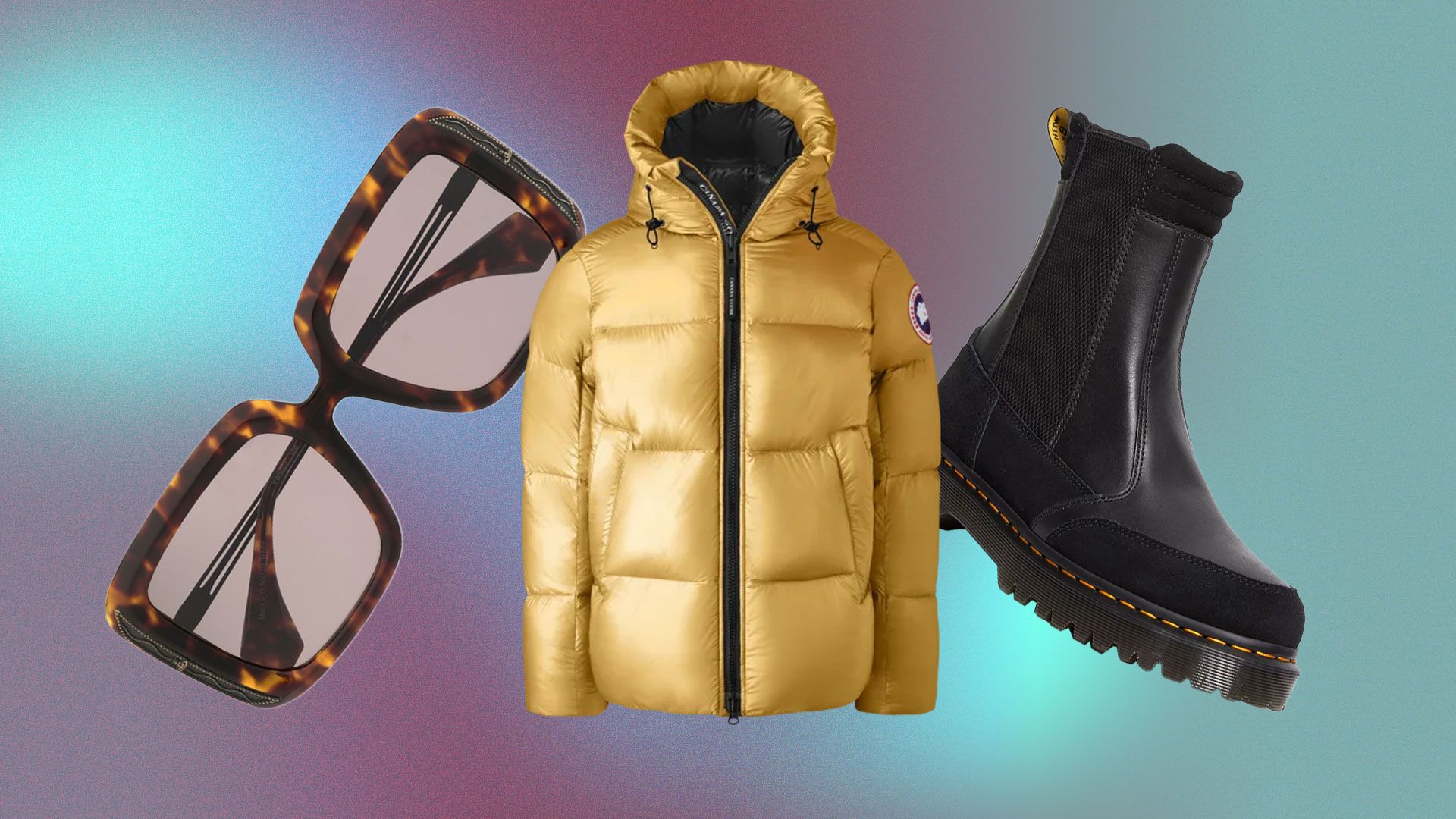
North Face parka options
The North Face holds a dominant position in the outdoor apparel market, recognized for technical performance and durability. The brand is widely cited alongside Patagonia and Eddie Bauer as a producer of premium quality jackets built to last for years. Their parkas are engineered for extreme conditions, making them a reliable choice for those prioritizing warmth and weather protection.
The brand’s lineup includes versatile options for different needs. The McMurdo Parka is a frequent recommendation for its heavy-duty insulation and windproof shell, suitable for sub-zero temperatures. For urban environments, the ThermoBall Eco Parka offers lightweight synthetic insulation that retains warmth even when wet, providing a practical alternative to down for damp climates.
Comparison of Key Models
The table below outlines the primary specifications for popular North Face parkas to help you choose based on your specific requirements.
| Model | Insulation Type | Best Use Case |
|---|---|---|
| McMurdo Parka | Down | Extreme Cold |
| ThermoBall Eco Parka | Synthetic | Urban/Damp |
| Denali Parka | Fleece/Softshell | Moderate Cold |
LLBean and Eddie Bauer: Value-Driven Durability
LLBean and Eddie Bauer have long anchored the value segment of the parka market, offering high-quality construction without the premium price tags of technical mountaineering brands. These companies prioritize functional durability over fleeting fashion trends, making their outerwear a practical choice for daily winter commutes and seasonal outdoor activities.
Eddie Bauer, a pioneer in down insulation, continues to leverage its heritage to produce coats that balance warmth with affordability. Their use of high-fill-power goose down ensures that even their mid-range parkas provide significant heat retention relative to their weight. This focus on core insulation technology allows them to compete effectively against more expensive rivals while maintaining a straightforward, utilitarian aesthetic.
LLBean takes a similar approach, emphasizing rugged materials and straightforward design. Their parkas often feature durable nylon shells and reliable water-resistant finishes that hold up well against harsh weather conditions. By focusing on essential features rather than complex technical add-ons, both brands deliver reliable protection that justifies their reputation as sensible, long-lasting investments for cold-weather gear.
Men's versus women's fit
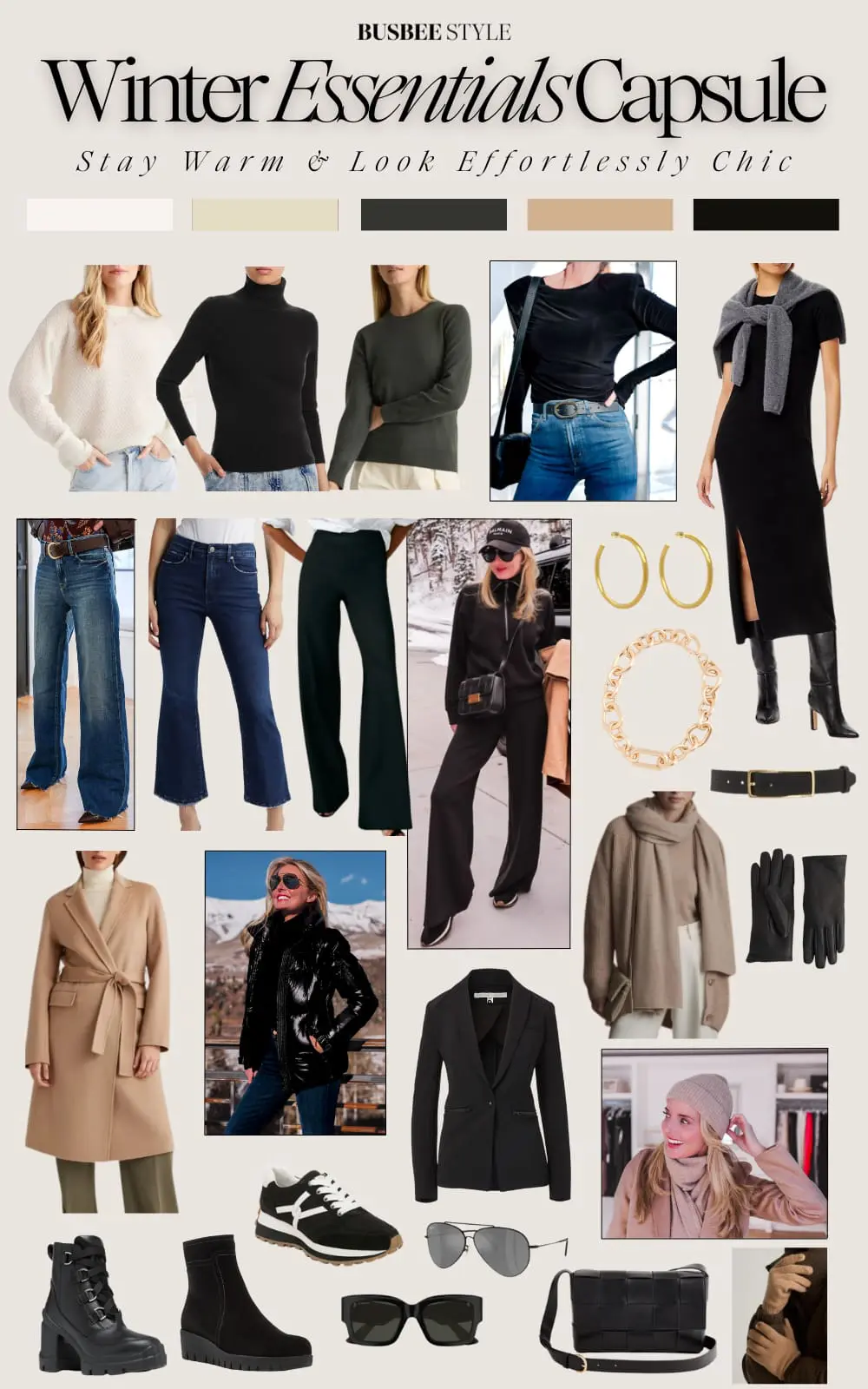
Choosing the right parka starts with understanding how men's and women's cuts accommodate different body shapes. Men's parkas are generally cut straighter with broader shoulders and a longer torso to accommodate a rectangular frame. Women's parkas taper at the waist and account for a narrower shoulder width, but the hemline often drops lower. As noted by Outdoor Gear Lab, women's styles like the Outdoor Research Coze Down Parka feature hems that extend to the middle of the calf, prioritizing leg coverage over waist definition.
Fit also dictates layering capacity. A men's cut typically offers more room across the chest and back, allowing for bulkier base layers without restricting movement. Women's fits are more contoured; while this looks sleeker, it can feel restrictive if you plan to wear thick fleece or mid-layers underneath. If you prefer a boxy, oversized look or need to layer heavily, a men's parka might offer the necessary volume. Conversely, if you want a silhouette that follows your natural shape without excess fabric bunching, a women's cut is the logical choice.
Ultimately, the best quality parka is the one that fits your body type and your intended use. Don't let the label on the tag dictate your size. Try on both men's and women's versions of the same style to see which cut allows for comfortable movement and proper layering. The goal is warmth and protection, not just a specific gendered aesthetic.
No comments yet. Be the first to share your thoughts!