
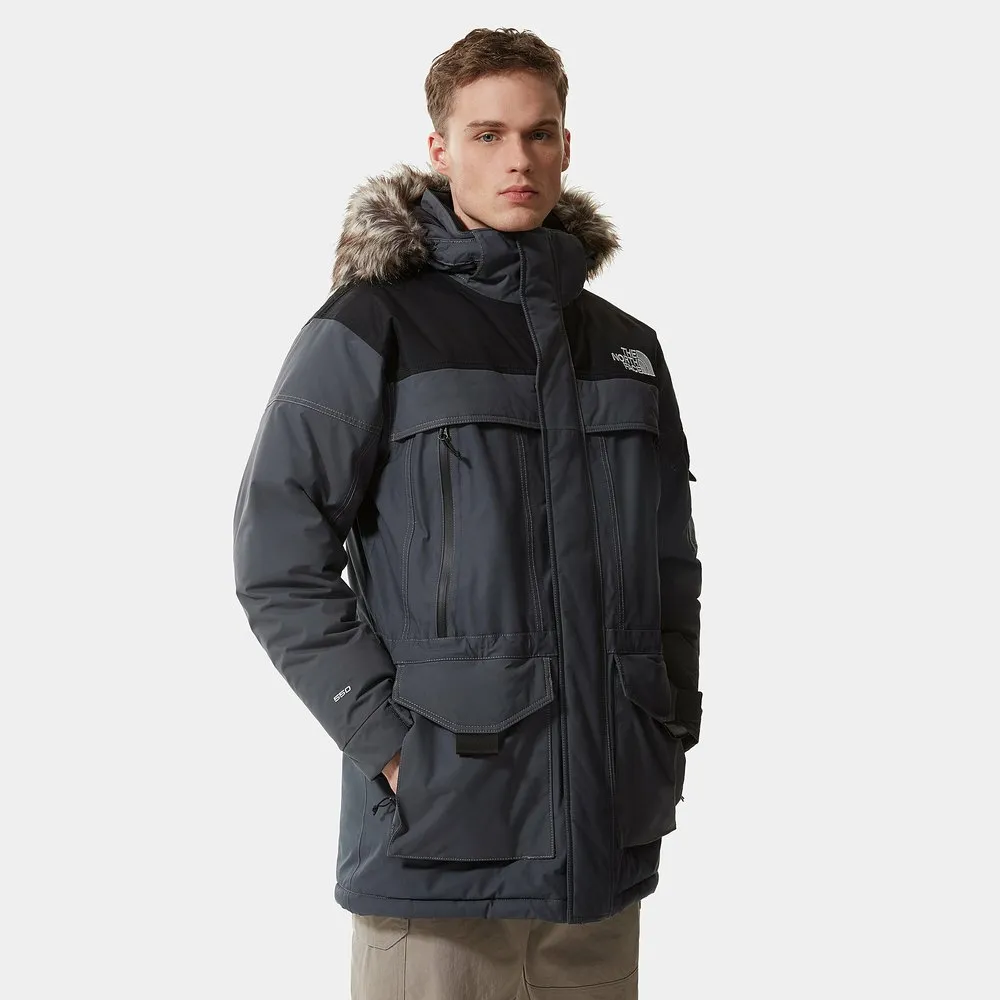

Check the down fill power and weight
When shopping for a quality parka from brands like L.L.Bean, Eddie Bauer, or The North Face, two numbers on the tag matter more than marketing buzzwords: fill power and fill weight. Think of fill power as the quality of the insulation and fill weight as the quantity. Together, they determine how warm the coat will keep you in freezing conditions.
Fill power measures loft—the ability of the down to expand and trap heat. It is calculated by measuring how many cubic inches one ounce of down occupies. A higher number, such as 800, means the down clusters are larger and more resilient, trapping more air with less material. This results in a lighter, more compressible jacket that packs down easily. Lower fill powers, like 550 or 650, use smaller clusters that are heavier for the same amount of warmth.
Fill weight is the actual mass of the down inside the jacket, measured in grams. This is the deciding factor for severe cold. A parka with 800-fill power but only 60 grams of down might be perfect for a brisk autumn evening, but it will leave you shivering in sub-zero temperatures. Conversely, a parka with 650-fill power and 200 grams of down provides substantial insulation for deep winter.
When comparing specific models, look for the grams listed in the product details. The North Face often highlights high-fill options (800+) for their lightweight expedition gear, while L.L.Bean and Eddie Bauer frequently offer higher fill weights in their heavy-duty parkas designed for sustained exposure. Don't just chase the highest fill power number; ensure the total weight is sufficient for your climate.
Inspect the shell fabric and waterproofing
The outer shell is your first line of defense against wet snow and biting wind. A high-denier nylon or polyester fabric resists abrasion from backpack straps and branches, while the durable water repellent (DWR) coating causes water to bead up and roll off rather than soaking in. Without this coating, even waterproof membranes will eventually saturate, leaving you cold and damp.
When evaluating parkas from L.L.Bean, Eddie Bauer, and The North Face, look for specific denier counts. Heavier shells, often 40D or higher, offer more durability for backcountry use, while lighter 15D-20D shells prioritize packability for urban commutes. Check the product specifications for "fully taped seams." If water can seep through needle holes, no amount of DWR will keep you dry in a downpour.
You can test the DWR effectiveness yourself. Sprinkle a few drops of water on the shoulder or sleeve. If the water beads up and sits on the surface, the coating is active. If the fabric darkens as it absorbs the moisture, the DWR has worn off and needs to be reapplied with a heat-activated wash-in or spray-on treatment.
Evaluate hood design and mobility
A parka’s hood is the primary defense against wind and precipitation, so treat it like a helmet rather than an accessory. When you pull the hood up, it should sit securely over your ears without forcing your head forward. If the hood is too small or rigid, it will restrict your peripheral vision and turn every gust into a struggle.
Check for three-point adjustability: a drawcord at the crown to tighten the fit, a side cinch to eliminate gaps near the cheeks, and a stiffened brim to keep snow and rain off your face. The North Face typically uses a structured, wire-reinforced brim on its Summit Series models, providing a clear field of view in heavy snow. L.L.Bean’s Great Northern Parka offers a plush faux-fur ruff that helps break up wind flow, though some users find the bulkier design slightly restricts turning their head quickly.
Mobility matters just as much as warmth. Raise your arms overhead or simulate shoveling snow; the hood should not detach from the collar or expose your neck. Eddie Bauer’s Winter Parka features a generous cut that allows for easy layering underneath, ensuring the hood remains centered even when you’re wearing a thick fleece. Avoid hoods with complex, multi-stage adjustment systems if you need to put them on or take them off with gloves on—simplicity often wins in a blizzard.
Compare fit and length for your needs
Choosing the right parka length depends on where you live and what you do when the temperature drops. A hip-length cut offers mobility for city commuting or active winter sports, while a knee-length parka provides maximum coverage for standing still in deep cold. Mid-thigh options strike a balance, shielding your core and hips without restricting leg movement.
The table below compares common lengths across L.L.Bean, Eddie Bauer, and The North Face. Use it to match your climate and activity level to the right cut.
| Brand | Length | Best For | Mobility |
|---|---|---|---|
| L.L.Bean | Hip to Thigh | Everyday errands, light snow | High |
| Eddie Bauer | Thigh to Knee | Severe cold, standing outside | Medium |
| The North Face | Thigh | Urban winter, active use | High |
| L.L.Bean | Knee | Extreme cold, stationary tasks | Low |
| Eddie Bauer | Hip | Mild winter, layering | High |
| The North Face | Knee | Deep winter expeditions | Low |
Review warranty and return policies
Warranty terms help protect your investment. L.L.Bean offers a legendary lifetime guarantee, though they have recently tightened terms to require proof of purchase for new items. Eddie Bauer provides a limited lifetime warranty against defects in materials and workmanship. The North Face offers a lifetime warranty as well, covering manufacturing flaws but not normal wear and tear. Always keep your receipt and register your product online to ensure coverage.
When comparing specific models, look for the grams listed in the product details. The North Face often highlights high-fill options (800+) for their lightweight expedition gear, while L.L.Bean and Eddie Bauer frequently offer higher fill weights in their heavy-duty parkas designed for sustained exposure. Don't just chase the highest fill power number; ensure the total weight is sufficient for your climate.
Watch a parka fit and feature demo
Seeing a parka in motion clarifies what specifications alone can’t. A video walkthrough reveals how the cut moves with your shoulders, where the DWR coating beads water, and how the hood stays clear of your vision. This visual context helps you judge whether a brand’s silhouette matches your body type before you buy.
The North Face often demonstrates its ThermoBall insulation in action, showing how it compresses into its pocket yet regains loft instantly. L.L.Bean’s videos typically highlight the practicality of their insulated parkas, focusing on deep pockets and durable zippers that withstand heavy use. Eddie Bauer’s content frequently emphasizes the warmth-to-weight ratio of their Coldguard Max fill, illustrating how thin layers can still block biting wind.
Common questions about quality parkas
Finding the right winter coat involves more than just picking a brand. You need to understand how fill power, fabric treatments, and fit interact to keep you warm. Here are answers to the most frequent questions about L.L.Bean, Eddie Bauer, and The North Face parkas.
What fill power should I look for in a quality parka?
Fill power measures the loft of down, indicating its warmth-to-weight ratio. For serious cold, aim for 650 to 800 fill power. L.L.Bean’s Katahdin Iron Works parka often uses high-fill down for maximum insulation. Eddie Bauer’s Supreme Down series typically features 800-fill goose down, which traps more heat per ounce. The North Face often uses 600-700 fill in their standard parkas, balancing warmth with durability for urban use. Higher fill power means a lighter jacket that packs smaller, but it may cost more.
How do I check if a parka’s water resistance is effective?
Look for a Durable Water Repellent (DWR) coating on the outer shell. This causes water to bead up and roll off rather than soaking in. The North Face uses DryVent technology, which combines a waterproof membrane with a DWR finish. Eddie Bauer’s Summit Series often features their own StormRepel DWR treatment. L.L.Bean employs their own proprietary waterproofing on their heaviest parkas. If water soaks into the fabric immediately, the DWR is worn off and needs reapplication or replacement.
How do sizing and fit differ between these brands?
Fit varies significantly by brand heritage. L.L.Bean parkas tend to run large, designed to layer thick sweaters underneath. Eddie Bauer offers a more tailored, athletic cut that fits closer to the body. The North Face provides a standard fit that is neither too boxy nor too tight, suitable for most body types. Always check the specific product page for "slim," "regular," or "relaxed" fit labels. If you plan to wear heavy base layers, size up in Eddie Bauer or stick with your usual size in L.L.Bean.
Do these brands offer warranties on their parkas?
Warranty terms help protect your investment. L.L.Bean offers a legendary lifetime guarantee, though they have recently tightened terms to require proof of purchase for new items. Eddie Bauer provides a limited lifetime warranty against defects in materials and workmanship. The North Face offers a lifetime warranty as well, covering manufacturing flaws but not normal wear and tear. Always keep your receipt and register your product online to ensure coverage.
No comments yet. Be the first to share your thoughts!