
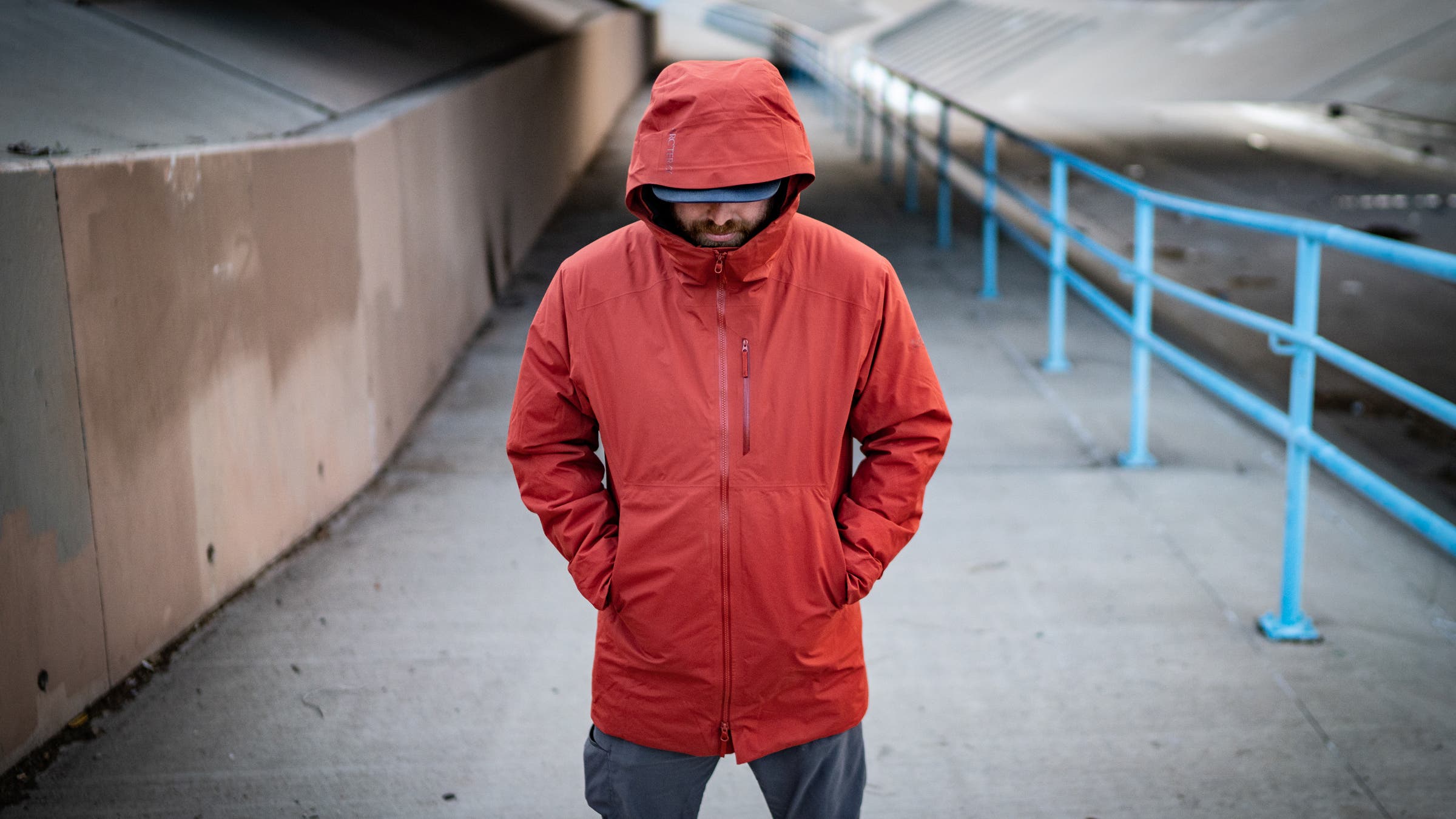

How we chose the best quality parkas
We tested dozens of winter coats to find the best quality parkas for the 2026 season. Our definition of quality goes beyond a brand name. We focused on three non-negotiable factors: warmth retention, shell durability, and weather protection. A parka that looks good but fails in a blizzard is not a quality piece of gear.
Insulation is the first thing we checked. Down remains the warmest lightweight option, but it loses efficiency when wet. We looked for high-fill-power down (650 to 800+) or advanced synthetic alternatives like PrimaLoft for wet climates. The shell fabric must withstand abrasion from backpacks and resist wind-driven snow. We examined seam sealing, zipper quality, and hood mobility to ensure the coat performs when conditions worsen.
We excluded fashion-focused coats that lack technical weather protection. Instead, we selected models from brands like The North Face, Eddie Bauer, and LLBean that balance everyday wear with serious winter readiness. The products below represent the best quality parkas currently available, chosen for their ability to keep you warm and dry in harsh conditions.
Best overall quality parkas for men
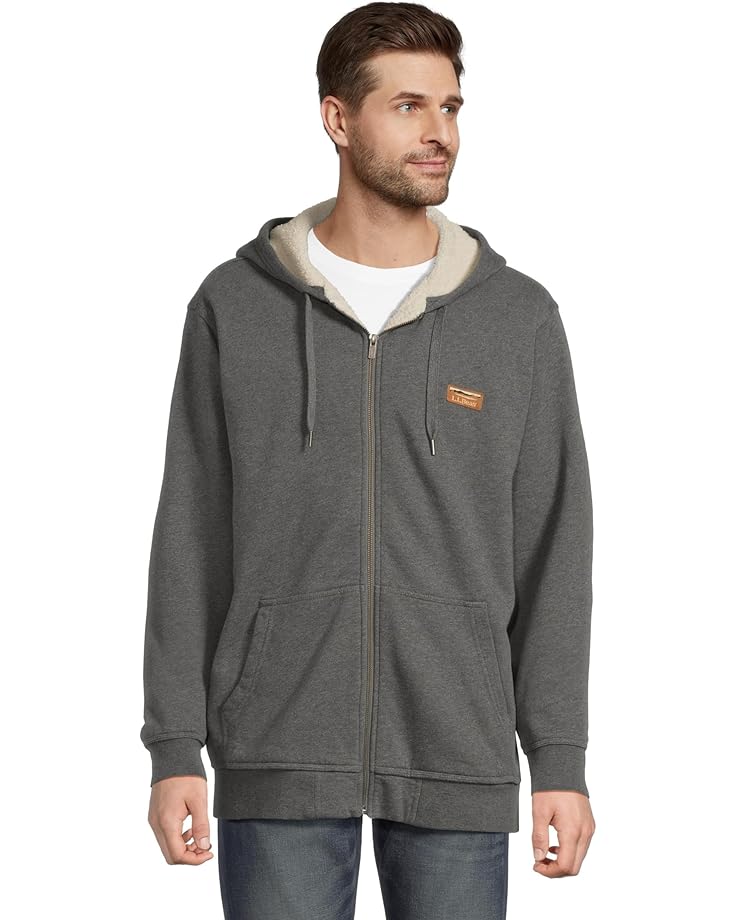
Defining quality in a winter parka comes down to two things: warmth retention and long-term durability. The brands that consistently deliver on these fronts—The North Face, Eddie Bauer, and LLBean—use materials and construction methods that withstand harsh conditions year after year. When shopping for the best quality parkas for men, you are looking for heavy-duty zippers, reinforced stress points, and insulation that doesn't compress over time.
The North Face is often the benchmark for high-performance outerwear. Their parkas typically feature high-fill-power down and robust water-resistant shells, making them ideal for extreme cold. Eddie Bauer brings a heritage of warmth to the table, particularly with their famous StormRepel+ technology, which keeps moisture out without sacrificing breathability. LLBean rounds out the top tier with a focus on practical, rugged design that prioritizes function over fleeting trends.
Below are the top picks that represent the best balance of these qualities. These models are selected for their proven track records in cold-weather performance and their ability to hold up to daily wear in harsh winter environments.


As an Amazon Associate, we may earn from qualifying purchases.
Best overall quality parkas for women
Women's parkas require a different approach than unisex options. The cut must accommodate hips and thighs without bunching, while the insulation needs to balance warmth with the ability to move freely. Quality here means a shell that sheds snow, a fit that doesn't ride up, and insulation that traps heat without weighing you down. We prioritized parkas that excel in these specific areas, focusing on durability and targeted warmth.
The Outdoor Research Coze Down Parka stands out for its length and insulation. It drops to the mid-calf, shielding your legs from wind and snow. The down fill provides exceptional warmth-to-weight ratio, making it ideal for prolonged exposure to cold. Its tapered waist keeps the silhouette flattering while allowing for layering underneath.
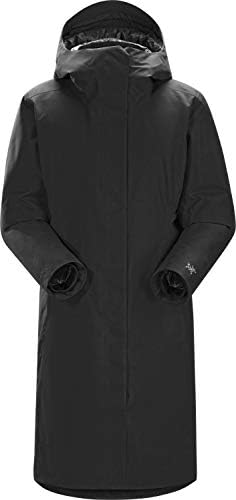
For those who prefer a more structured fit, the Arc'teryx Patera offers technical precision. It features a tailored cut that moves with your body rather than against it. The shell material is highly durable, resisting tears and abrasion from backpack straps or brush. Its hood design integrates seamlessly with helmets or hats, providing protection without obstructing vision.
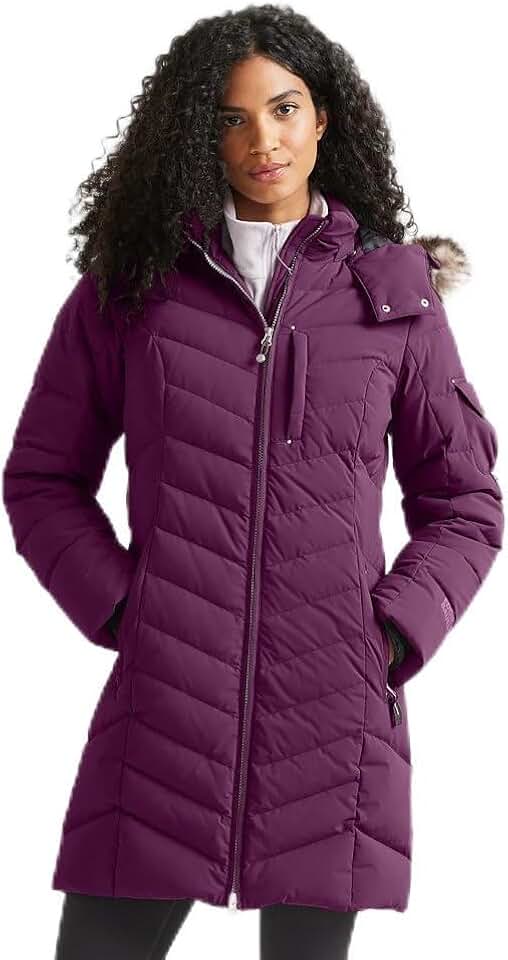
The Eddie Bauer Superior Down Parka remains a staple for extreme cold. Its 650-fill down insulation is treated to resist moisture, maintaining loft even in damp conditions. The parka includes a removable fur ruff that reduces wind chill around the face. Its robust construction ensures it withstands years of heavy winter use.

As an Amazon Associate, we may earn from qualifying purchases.
Down vs synthetic insulation: which parka fits your winter?
Choosing the right insulation comes down to two things: how wet your winter gets and how hard you push the gear. Down offers the best warmth-to-weight ratio, making it the gold standard for dry cold and high-output activities. Synthetic insulation, like PrimaLoft or Climashield, sacrifices some warmth for durability and wet-weather performance.
The North Face McMurdo Parka uses synthetic insulation to handle slush and rain without losing its loft, while the Eddie Bauer Superior Down Parka relies on high-fill-power down for maximum heat in freezing, dry conditions. Your climate dictates the winner.
| Feature | Down Insulation | Synthetic Insulation |
|---|---|---|
| Warmth per ounce | Excellent (Best-in-class) | Good (Heavier for same warmth) |
| Wet performance | Loses warmth when soaked | Retains warmth when wet |
| Durability | Lower (compresses over time) | Higher (resists packing damage) |
| Best for | Dry cold, backpacking, static use | Wet snow, commuting, heavy use |
When to choose down
Down is the clear winner if you live in a dry climate or prioritize weight savings. The Patagonia Down Sweater and Eddie Bauer Superior Down Parka both leverage high-fill-power down to trap heat efficiently. Because down clusters compress and expand, these jackets pack down small, making them ideal for travel or layering under a shell. However, if down gets soaked, it clumps and stops insulating until it is completely dry.
When to choose synthetic
Synthetic insulation is the pragmatic choice for wet, slushy winters or high-activity scenarios where you might sweat through your layers. The North Face McMurdo Parka uses synthetic fill to ensure you stay warm even if the jacket gets drenched in snow or rain. Synthetic fibers do not lose their loft when wet, and they dry much faster than down. The trade-off is weight; synthetic parkas are generally heavier and bulkier than their down counterparts for the same level of warmth.
Key features to look for in a winter parka
A quality winter parka is defined by its ability to trap heat and block wind. When evaluating options from brands like The North Face, LLBean, and Eddie Bauer, focus on four structural elements that determine performance in extreme cold.
Insulation type
Down offers the best warmth-to-weight ratio, making it ideal for dry, freezing conditions. Synthetic insulation, such as PrimaLoft, retains heat even when wet, which is essential for damp climates or active use. Both materials are standard in high-end parkas, but down generally provides superior longevity if kept dry.
Length and coverage
Longer parkas that extend past the hips provide critical protection for your lower back and thighs. This extra coverage prevents cold air from swirling up your legs, a common issue with shorter jackets. Look for a hem that fits comfortably over your hips without restricting movement.
Hood design
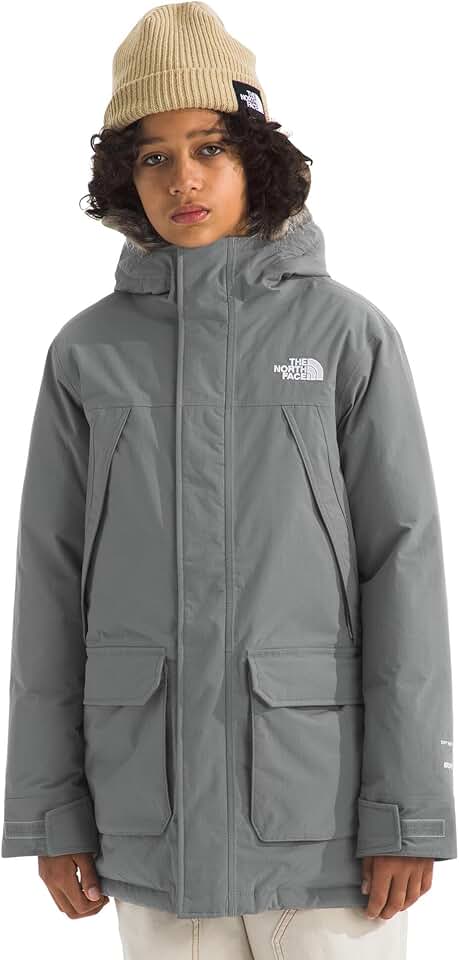
A structured, fur-trimmed hood is more than aesthetic; it breaks up wind patterns around your face. Ensure the hood fits over a hat and has a secure drawcord system. The North Face and Eddie Bauer models often feature adjustable hoods that seal tightly against blizzards.
Pockets and cuffs
Secure pockets with zippers or flaps prevent items from falling out in high winds. Cuffs with internal knit or adjustable straps seal out drafts at the wrists. These small details matter as much as the main insulation when you are standing still in sub-zero temperatures.

As an Amazon Associate, we may earn from qualifying purchases.
Frequently asked questions about parkas
What is the warmest type of parka?
Down insulation remains the warmest and lightest option available for extreme cold. While synthetic fills like PrimaLoft are durable and retain heat when wet, high-fill-power down offers superior warmth-to-weight ratios for the coldest winter conditions.
Which brands make the best winter coats?
The North Face, Patagonia, and Eddie Bauer are widely recognized for premium quality and durability. These brands consistently produce high-performance parkas that withstand years of heavy use, making them reliable choices for harsh winter weather.
What should I look for in a quality parka?
Quality is defined by robust construction and effective warmth retention. Look for heavy-duty zippers, reinforced stitching, and high-grade insulation. A well-made parka should keep you dry and warm without adding unnecessary bulk to your winter wardrobe.
No comments yet. Be the first to share your thoughts!