

How to spot true parka bargains
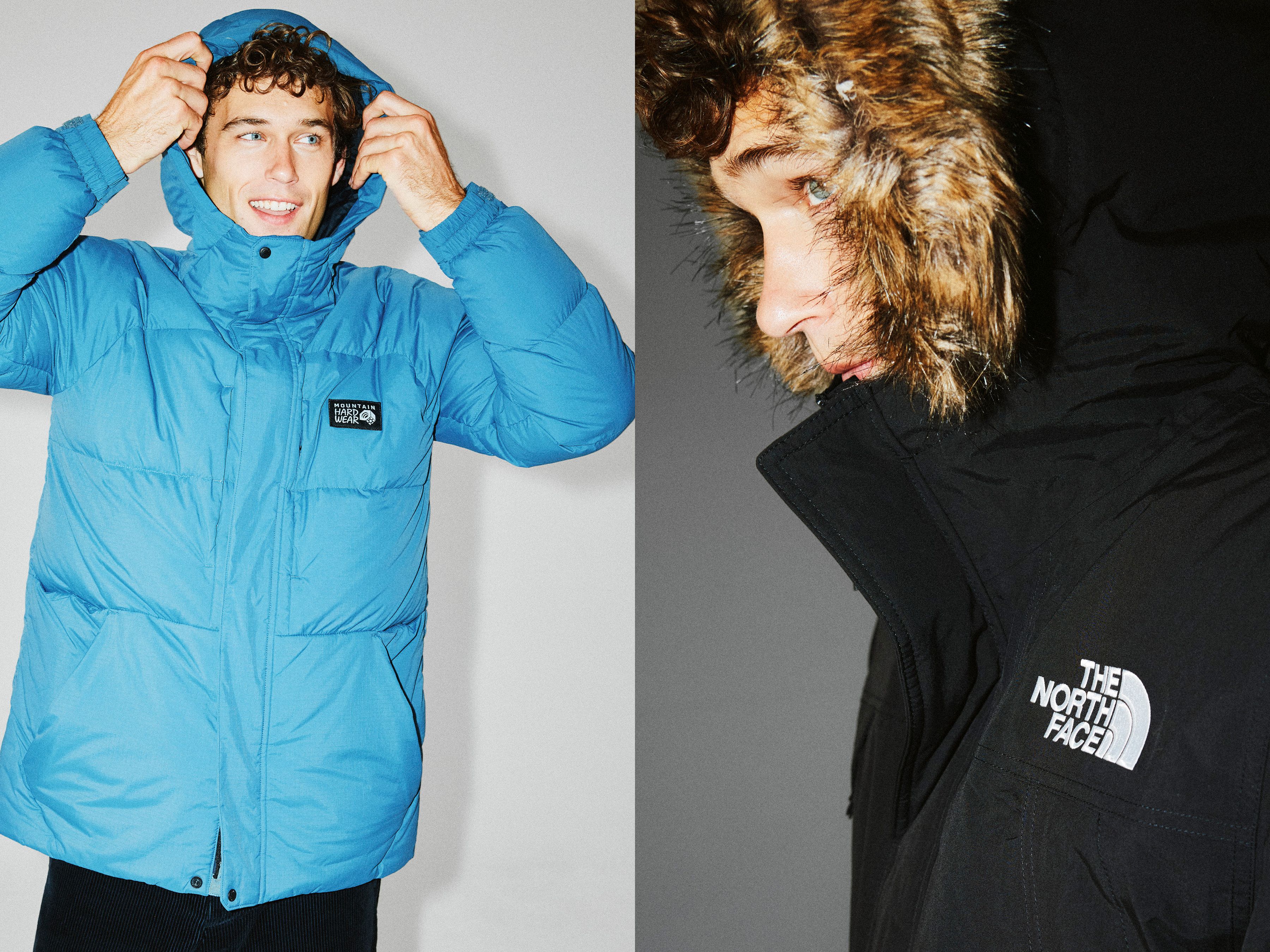
The winter coat market is built on a simple illusion: mark down the sticker price, and you’ve created a bargain. In reality, many "deals" are just inflated manufacturer suggested retail prices (MSRPs) designed to make a discount look deeper than it is. To find a genuine parka bargain under $200, you need to ignore the sale tag and look at the construction.
Start with the fill power if you are buying a down parka. Fill power measures the loft and warmth of the feathers. A 600-fill or higher down offers a superior warmth-to-weight ratio, meaning you get more heat without the bulk. Lower fill powers often require more material to achieve the same warmth, resulting in a heavier, less durable coat. If a parka claims to be "premium" but lists a fill power below 550, it is likely a budget synthetic blend masquerading as high-end gear.
Water resistance is the second pillar of a true bargain. A parka is only as good as its ability to keep you dry. Look for a durable water repellent (DWR) finish and taped seams. Without these, even the warmest down will clump and lose its insulating properties the moment it meets snow or rain. Brands that cut corners here often advertise heavy discounts because they know the coat will fail in real-world conditions.
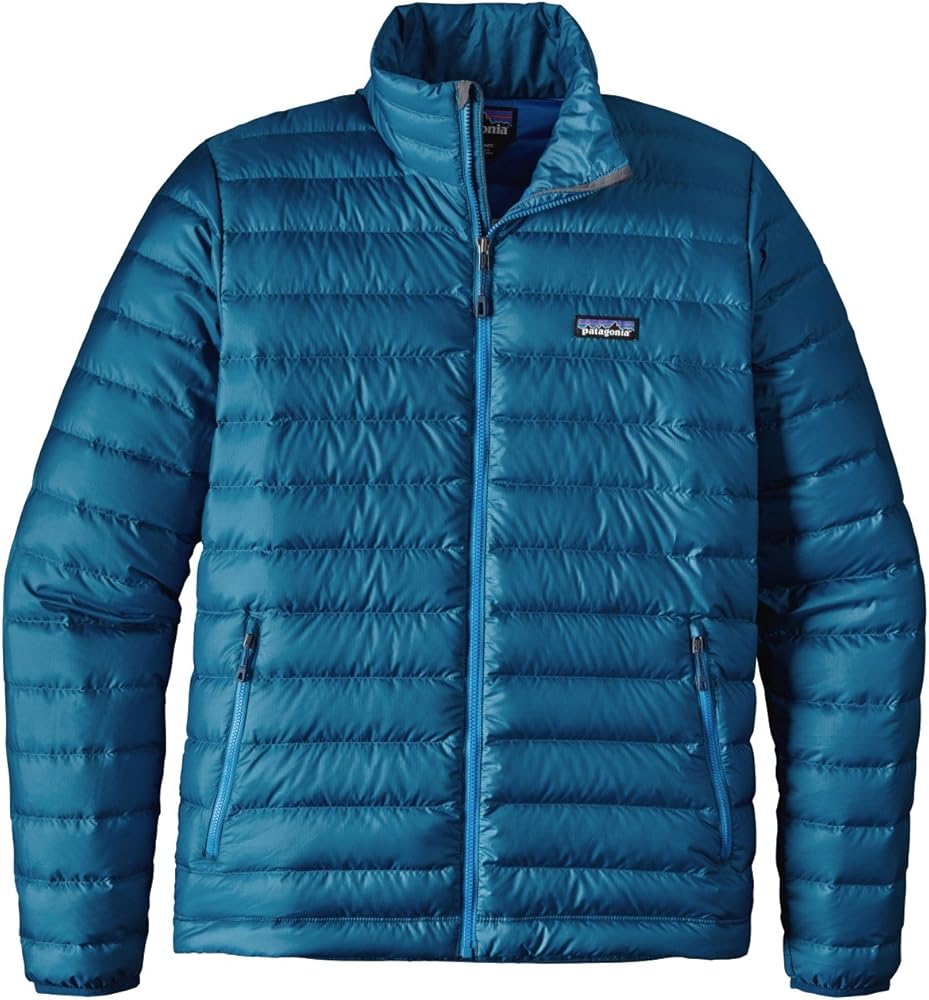
Finally, understand brand pricing tiers. Heritage outdoor brands like Patagonia or The North Face typically retail for $300 to $500. When you see these names under $200, it is usually because it is end-of-season clearance. However, mid-tier brands like Columbia or Gap often have MSRs that sit closer to $150–$180. A "50% off" deal on a Gap parka might just bring it to its actual market value. Always compare the current sale price against the historical average, not just the original tag.

As an Amazon Associate, we may earn from qualifying purchases.
Top parka bargains for men
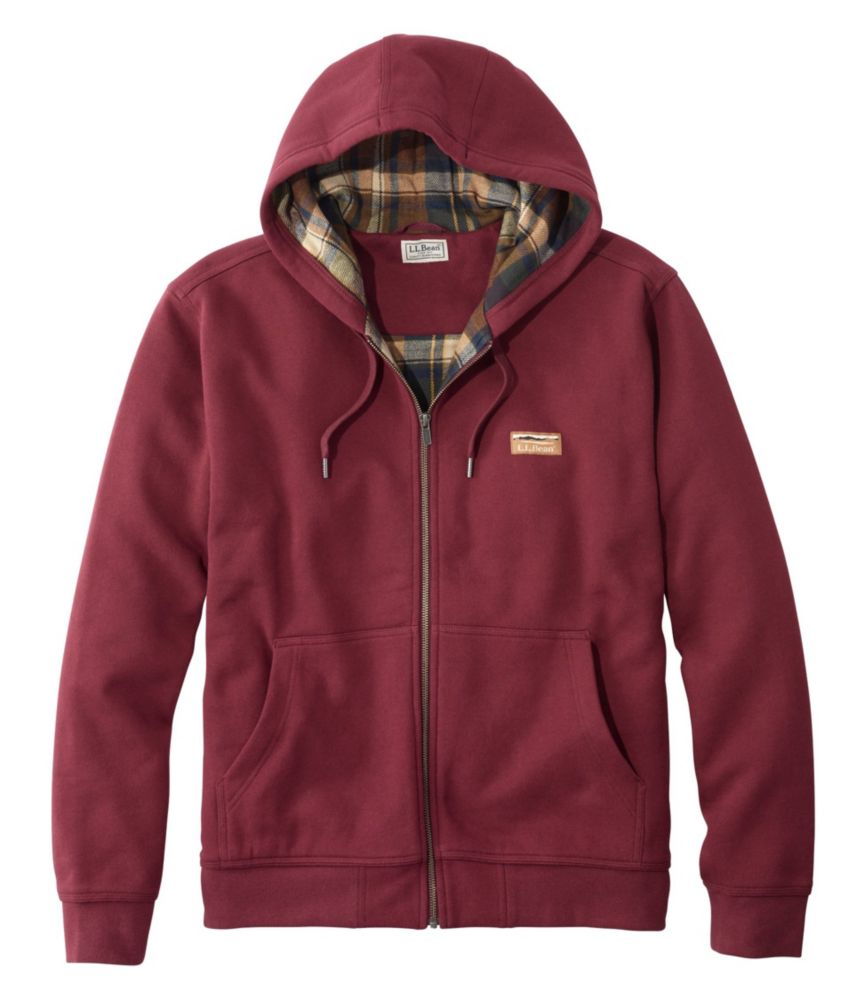
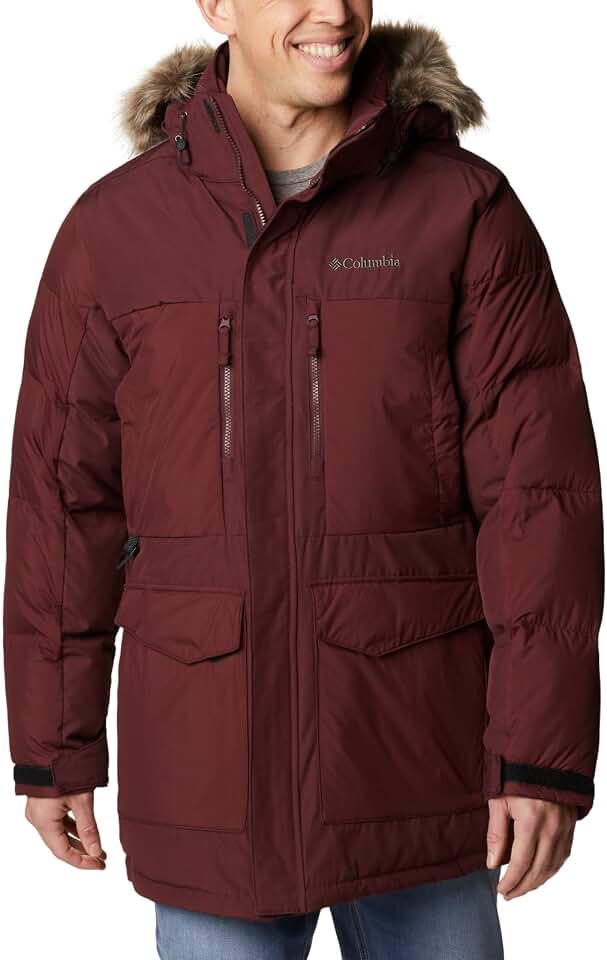
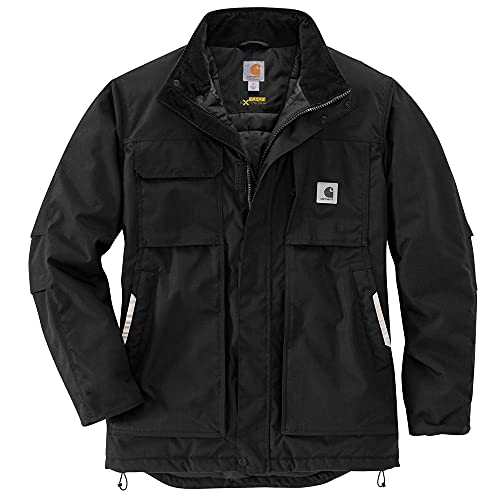
Finding a durable parka under $200 requires balancing insulation weight with weather protection. The models below come from brands like LLBean, The North Face, and Eddie Bauer, offering reliable warmth at a reasonable cost. Each selection focuses on practical features like hood adjustability, pocket placement, and wind-resistant shells.


As an Amazon Associate, we may earn from qualifying purchases.
Best parka bargains for women
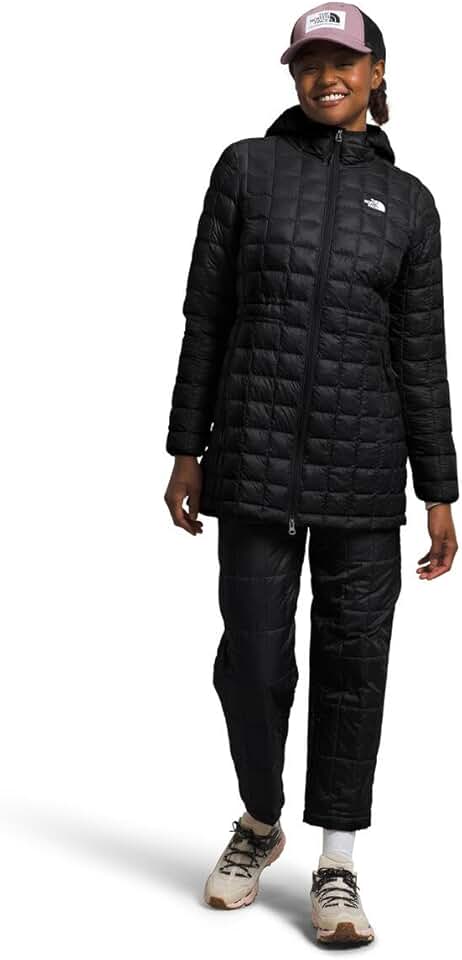
Finding a winter coat that balances warmth, style, and a price under $200 requires looking past the big-box store basics. The best parkas for women in this bracket prioritize functional details like insulated hoods, adjustable waists, and durable water-resistant shells. These features ensure the jacket performs in real weather without the high cost of technical brands.
The following options represent the current market leaders for affordable outerwear. Each selection highlights a specific strength, whether it is exceptional insulation for extreme cold or a tailored silhouette for urban commuting. These recommendations focus on value and quality, helping you choose a coat that lasts beyond a single season.


As an Amazon Associate, we may earn from qualifying purchases.
Compare key parka features side by side
Choosing a budget parka means balancing warmth, weather protection, and price. Since most options under $200 use synthetic insulation or lower-fill down, the trade-offs are clearer than in premium gear. Use this comparison to match a jacket’s build to your local winter conditions.
| Model | Insulation Type | Length | Price Range |
|---|---|---|---|
| Columbia Layman Ridge | Omni-Heat Synthetic | Mid-thigh | $80–$120 |
| Amazon Essentials Waxed Cotton | Fleece Lined | Hip | $40–$60 |
| Columbia Pike Lake | Thermal Reflection | Thigh | $100–$150 |
| Columbia Marquam Peak | Omni-Heat Infinity | Long | $150–$190 |
Synthetic fills like Columbia’s Omni-Heat retain warmth when wet and dry faster than down, making them safer for variable winter weather. Longer cuts like the Marquam Peak shield your legs from wind and snow, while hip-length options like the Essentials model prioritize mobility and lower cost. If you commute in slush or rain, synthetic insulation is the practical choice; for dry cold, a waxed cotton shell with fleece lining offers sufficient warmth at a lower price point.
When to buy parkas for the best price
Timing your purchase is the most reliable way to secure a high-quality parka under $200. Retailers clear out winter inventory aggressively once the cold weather breaks, often slashing prices by 30 to 60 percent. According to The Strategist, shoppers can currently find Patagonia parkas for 30 percent off, Gap puffers for 60 percent off, and North Faces for under $200 as winter winds down.
The best window for deals is typically late February through March. During this period, stores need floor space for spring collections, making them more willing to discount heavy winter gear. Early spring sales events, such as Presidents’ Day weekend, often feature the deepest cuts on remaining stock.


As an Amazon Associate, we may earn from qualifying purchases.
Waiting until the last minute can work in your favor, but inventory becomes limited. If you have a specific brand or fit in mind, buying in early March gives you a better chance of finding your size before everything sells out.
Common questions about parka bargains
Are budget parkas durable enough for harsh winters? Most reputable brands use the same synthetic insulation technologies in their entry-level lines as they do in premium models. The primary difference is often the outer shell fabric and brand markup. A well-constructed synthetic parka under $200 can withstand years of use if maintained properly, though it may not match the longevity of a $500 technical shell.
How does synthetic insulation compare to down in cold weather? Synthetic insulation retains warmth even when wet, making it a safer choice for variable winter weather or heavy snow. Down offers a better warmth-to-weight ratio and compresses smaller, but it loses insulating power when damp. For urban commutes involving slush or rain, synthetic is often the more practical budget choice.
No comments yet. Be the first to share your thoughts!