
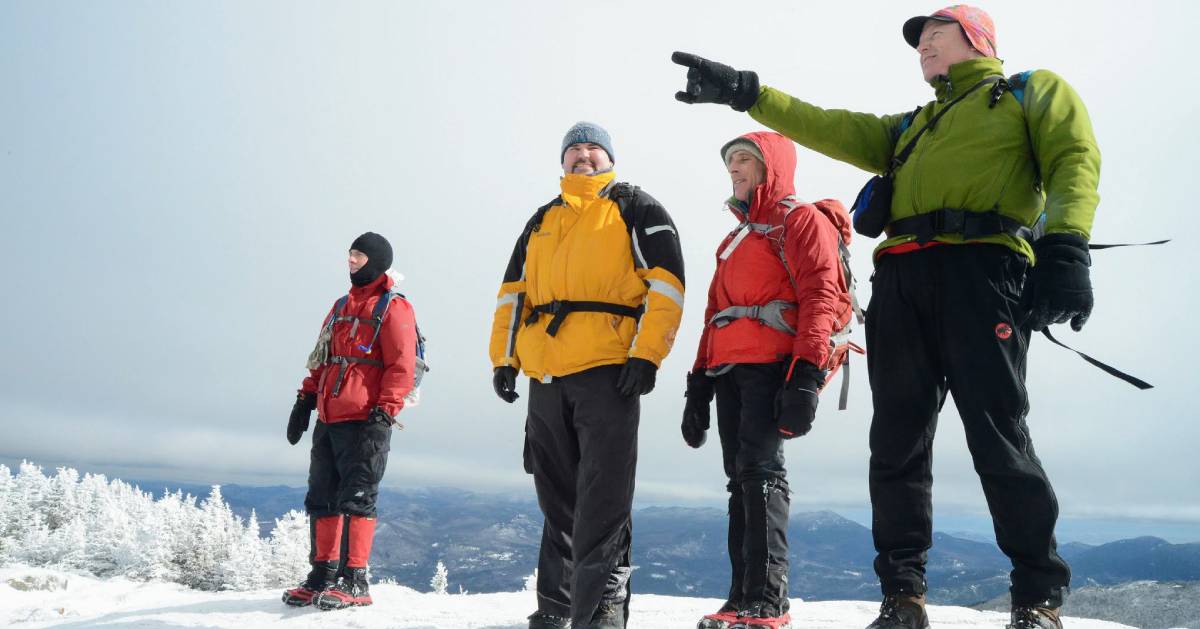

What makes a quality parka
A quality parka balances three things: insulation, shell, and durability. The best winter coats keep you warm without weighing you down, and they last for years in harsh conditions. When shopping for a parka, focus on the materials rather than the brand name.
Insulation is the heart of the coat. Look for 650-fill goose down or high-quality synthetic alternatives. Higher fill power means more warmth for less weight. Synthetic insulation, like PrimaLoft, retains heat even when wet, making it a reliable choice for damp winters.
The shell protects the insulation from wind and moisture. A waterproof, breathable membrane keeps snow and rain out while letting sweat escape. Durable fabrics like nylon or polyester with a durable water repellent (DWR) finish ensure the coat withstands daily wear and tear.
Durability determines the parka's lifespan. Reinforced stitching, robust zippers, and quality lining materials prevent premature wear. A well-made parka should feel substantial but not cumbersome, offering protection without sacrificing mobility.
Top quality parkas for men
Finding the right winter parka means balancing warmth, weather protection, and a fit that allows for layering. The best men's parkas from brands like LLBean, Eddie Bauer, and The North Face are built to handle harsh conditions without weighing you down. Whether you are commuting through a city blizzard or hiking in the backcountry, the right shell makes all the difference.
A high-quality parka should feature a durable, waterproof outer shell, such as Gore-Tex or a comparable proprietary membrane, to keep snow and rain out. Inside, high-fill-power down or advanced synthetic insulation traps heat efficiently. The fit is equally important; look for a cut that accommodates a mid-layer sweater while still allowing freedom of movement for your arms and shoulders.
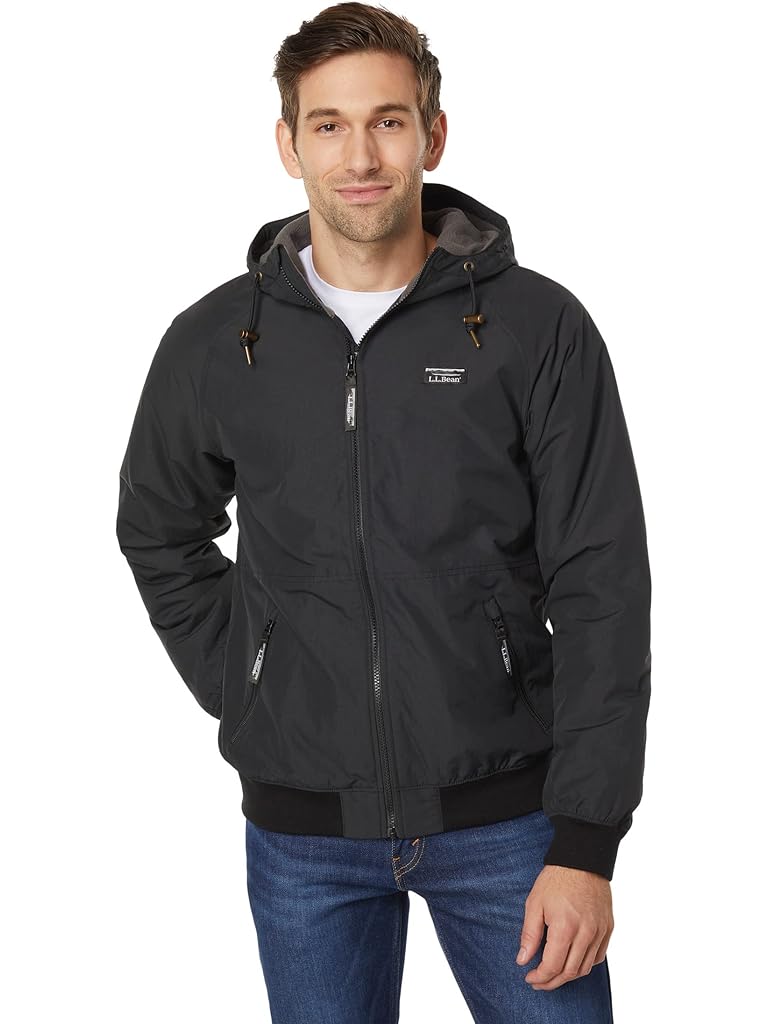
Below are three top-quality parkas for men that excel in durability, warmth, and value. These picks represent the best of what each brand offers for serious winter wear.


As an Amazon Associate, we may earn from qualifying purchases.
Each of these options serves a slightly different purpose. The Eddie Bauer parka is a top choice for extreme cold thanks to its high-fill down. The North Face McMurdo offers robust weather protection for urban and trail use, while the LLBean option provides timeless style and durability for those who prefer natural materials. Choose based on your primary winter activities and climate needs.
Best quality parkas for women
Finding the right fit is often the hardest part of shopping for women's parkas. Many standard outdoor shells are cut for broader shoulders and longer torsos, leaving sleeves too short or waists too boxy. The best quality parkas for women balance weather protection with a silhouette that actually moves with your body.
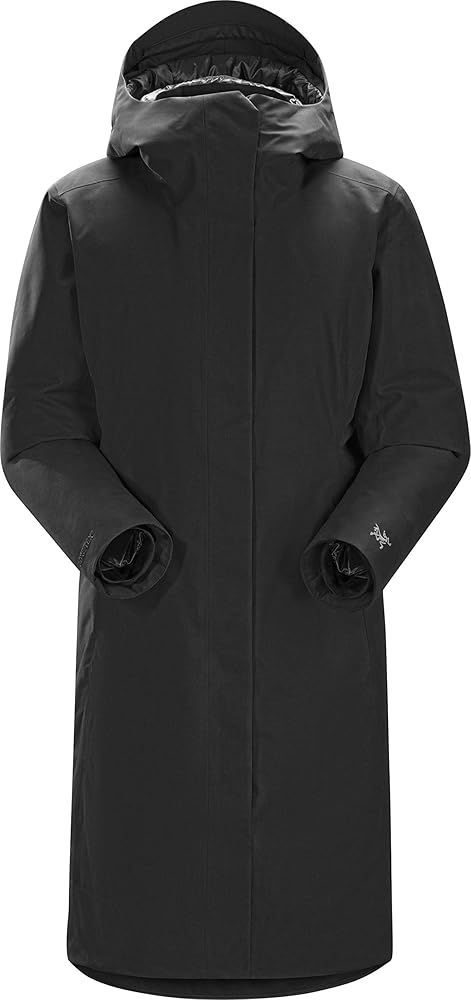
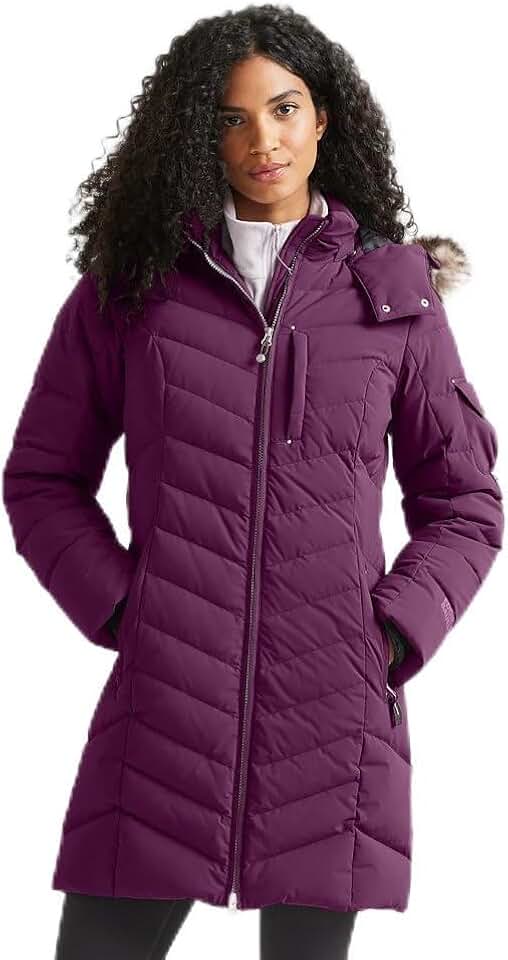
We looked for styles that offer distinct fits—some tailored for urban commutes, others designed for deep winter hiking. The goal is to find a jacket that keeps you dry and warm without feeling like you are wearing a tent. Below are top picks that prioritize both durability and women-specific tailoring.
As an Amazon Associate, we may earn from qualifying purchases.
The Arc'teryx Patera remains a top contender for those who need technical performance in harsh conditions. Its cut is designed specifically for women, offering a narrower waist and shorter torso length compared to unisex models. This fit prevents the jacket from riding up when you move, ensuring consistent warmth.
For everyday winter wear, the Eddie Bauer Superior Down Parka offers a classic look without sacrificing warmth. The 325-fill power down provides excellent insulation for temperatures well below freezing, while the removable hood adds versatility for milder days or urban settings.
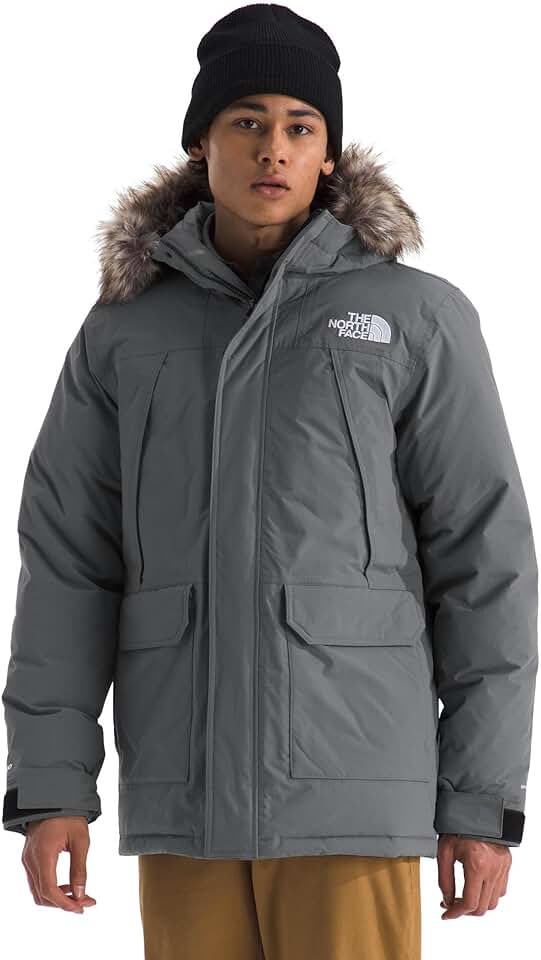
The North Face McMurdo Parka is a staple for heavy snow and wind. Its DryVent shell keeps moisture out, and the faux-fur trim on the hood helps break up wind without adding significant weight. It is a reliable choice for commuters who need a jacket that looks good in the city and performs in the snow.
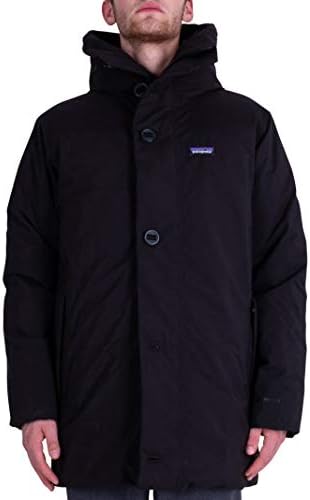
Patagonia’s Frozen Range Parka appeals to those prioritizing sustainability. Made with recycled materials and high-loft insulation, it delivers warmth without the environmental footprint. The fit is slightly boxy, allowing for easy layering underneath, which is ideal for active winter days.
How to choose the right fit
A quality parka is only as good as its fit. Because winter parkas are designed to accommodate heavy layering, sizing them correctly requires a different approach than buying a standard jacket. If the fit is too tight, the insulation compresses and loses warmth; if it is too loose, cold air circulates inside without trapping heat. The goal is a "comfortable bulk" that allows you to wear a thick sweater or fleece underneath without feeling restricted.
Shoulder and sleeve length
Start with the shoulders. The seam where the sleeve meets the body should sit right at the edge of your shoulder bone. If it droops down your arm, the jacket is too big. For sleeve length, put your arms forward at a 90-degree angle. The cuff should cover your wrist bone completely. When you reach up to grab something, the jacket should stay in place without riding up too high. Check brands like Eddie Bauer and LLBean specifically for their "regular" vs. "tall" sizing options, as sleeve length varies significantly between them.
Hip and torso coverage
Parka length is the defining feature of this category. A mid-thigh length is the sweet spot for most people, covering your hips and upper thighs to protect your core from wind and snow. If you are tall or plan to sit on cold surfaces (like benches or snow), look for a longer cut. The North Face McMurdo Parka, for example, offers a longer silhouette that provides extra coverage for the legs, which is crucial if you spend time outdoors for extended periods. Ensure the jacket closes comfortably over your hips without gaping open.
The layering test
Before you finalize your purchase, try the jacket on with the heaviest layer you intend to wear. A common mistake is buying a parka that fits perfectly over a t-shirt but feels like a vice when you add a wool sweater. You should be able to zip it up without pulling the fabric taut across your chest or back. If you feel any significant restriction, size up. It is better to have a slightly roomier jacket that traps air for warmth than one that is too snug and restricts movement.
Frequently asked questions about parkas
What is the highest quality winter jacket?
The most durable winter jackets typically come from brands that prioritize heavy-duty materials and proven insulation. The North Face, Eddie Bauer, and LLBean are widely recognized for their weather-resistant shells and long-lasting construction. For extreme cold, look for jackets with high-fill-power goose down, such as the 800-fill options found in many top-tier parkas, which trap more warmth per ounce than synthetic alternatives.
What is a level 7 parka?
The GEN III Level 7 ECWCS Extreme Cold Weather Parka is a military-grade outer layer designed for static operations in extreme cold. It features a water-resistant outer shell and PrimaLoft Sport Thermal bonded high-loft insulation. This jacket is built for durability and breathability, making it suitable for dry, freezing conditions where wind protection and heat retention are critical.
Do parkas keep you warmer than standard winter coats?
Yes, parkas generally provide more warmth than standard winter coats due to their longer cut and heavier insulation. The extended length covers more of the body, protecting the hips and thighs from wind and cold. Most high-quality parkas also include adjustable hoods and storm flaps that seal out drafts, creating a more effective barrier against harsh winter elements than shorter jackets.
No comments yet. Be the first to share your thoughts!