

How we chose these parkas
Finding a quality parka means looking past brand names to the specific materials and construction that keep you warm in sub-zero temperatures. We evaluated dozens of models based on three non-negotiable criteria: shell durability, insulation efficiency, and weather sealing. The goal is to identify coats that function as reliable gear rather than fashion statements, focusing on performance in harsh winter conditions.
Shell fabric is the first line of defense. We prioritized parkas with high-denier nylon or polyester faces that resist abrasion from rough surfaces like ice and rock. More importantly, the waterproof rating must be sufficient to handle heavy snow and freezing rain without saturating. A breathable membrane is equally critical; without it, sweat accumulation inside the coat can lead to rapid heat loss, rendering even the warmest fill useless.
Insulation quality determines how much warmth you get for the weight you carry. We looked for high fill-power down (600-fill and above) or advanced synthetic alternatives that maintain loft when wet. The ratio of fill weight to total garment weight matters significantly. For example, high-end models like the Patagonia Down With It Parka use substantial amounts of 800-fill down to maximize warmth without bulk, a standard we used as a benchmark for efficiency.
Finally, we assessed the completeness of the weather protection system. A quality parka includes a robust hood that fits over a helmet or hat without obstructing vision, adjustable cuffs to seal out drafts, and a durable zipper guard. We also considered the longevity of these components, favoring brands like The North Face, LLBean, and Eddie Bauer that have proven track records in replacing parts and supporting customers over decades of use.
Best overall men's parka
Use this section to make the Best Quality Parkas for Winter decision easier to compare in real life, not just on paper. Start with the reader's actual constraint, then separate must-have requirements from details that are merely nice to have. A practical choice should survive normal use, maintenance, timing, and budget. If a recommendation only works in an ideal situation, call that out plainly and give the reader a fallback path.
The simplest way to use this section is to write down the must-have criteria first, then compare each option against those criteria before weighing nice-to-have features.
Best overall women's parka
Use this section to make the Best Quality Parkas for Winter decision easier to compare in real life, not just on paper. Start with the reader's actual constraint, then separate must-have requirements from details that are merely nice to have. A practical choice should survive normal use, maintenance, timing, and budget. If a recommendation only works in an ideal situation, call that out plainly and give the reader a fallback path.
The simplest way to use this section is to write down the must-have criteria first, then compare each option against those criteria before weighing nice-to-have features.
Comparing key features
Choosing the right parka often comes down to balancing insulation weight, weather protection, and price. The following comparison highlights three standout models that consistently rank high in independent testing for extreme cold and durability.
| Model | Insulation | Waterproof | Best For |
|---|---|---|---|
| The North Face McMurdo Parka | Down | Yes | Extreme cold and urban wear |
| LL Bean Katahdin Iron Works Parka | Synthetic | Yes | Wet snow and heavy activity |
| Eddie Bauer Superior Down Parka | No | Budget-conscious cold weather |
Frequently asked questions about quality parkas
How do North Face, LLBean, and Eddie Bauer parkas differ?
The North Face focuses on technical performance, often using Gore-Tex shells and high-fill-power down for extreme cold. LLBean offers a more traditional aesthetic with durable waxed canvas or nylon blends, prioritizing everyday wearability. Eddie Bauer strikes a balance with its Superior Down insulation, providing strong warmth-to-weight ratios at accessible price points. Each brand targets a slightly different use case, from mountaineering to city commuting.
What fill power and insulation should I look for?
For most winter conditions, look for 650 to 800 fill-power down. Higher fill power means more loft and warmth for less weight. Synthetic insulation like PrimaLoft is a better choice if you expect wet snow or rain, as it retains warmth when damp. Check the product specs for "fill weight" (grams) in addition to fill power to gauge overall warmth.
How should a quality parka fit?
A parka should fit comfortably over a mid-layer sweater without being baggy. The shoulders should align with your own, and the sleeve length should cover your wrists when your arms are extended. If you plan to wear thick fleece or wool layers underneath, consider sizing up. The hood should fit over a beanie without restricting your vision or hearing.
How do I clean and maintain my parka?
Always check the care label. Most down parkas can be machine-washed on a gentle cycle with a technical detergent like Nikwax Down Wash. Avoid fabric softeners, which strip the down’s natural oils. Tumble dry on low heat with tennis balls to restore loft. For waterproof shells, reapply a DWR (durable water repellent) treatment periodically to maintain breathability and water resistance.
Are PFC-free coatings effective?
Yes. Major brands like Patagonia and The North Face have shifted to PFC-free durable water repellents. While older PFC-based coatings were extremely durable, modern alternatives are highly effective against rain and snow while being safer for the environment. They may require more frequent reapplication than older PFC coatings, but they perform well in typical winter conditions.
Helpful gear
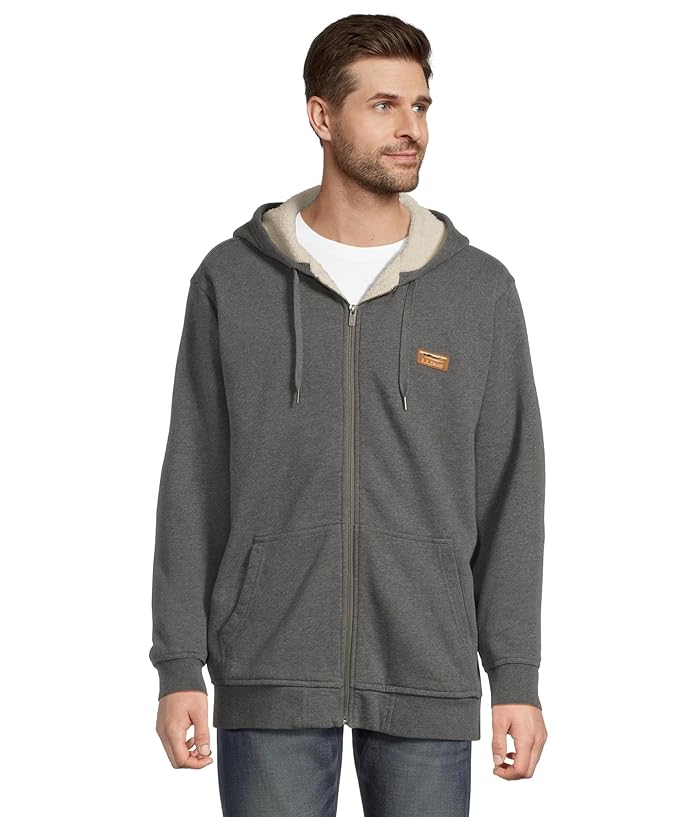
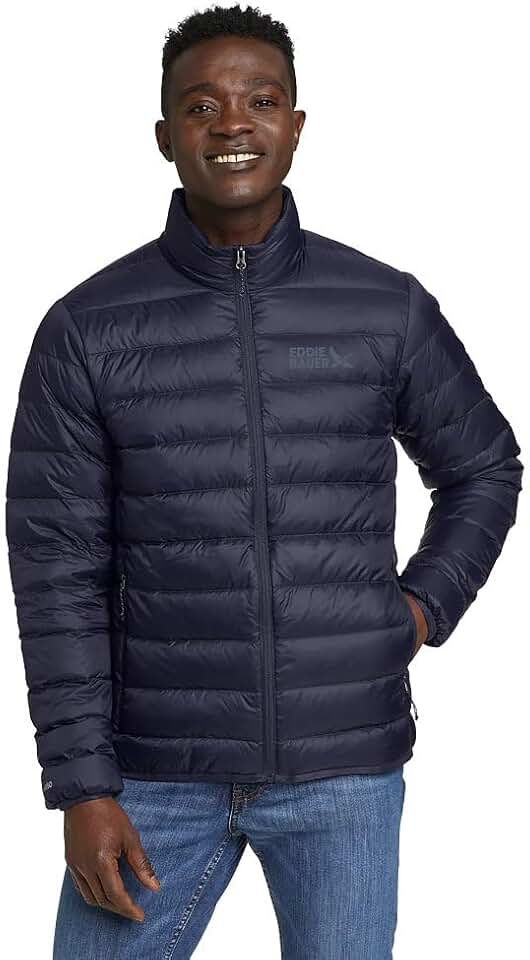
Use these product recommendations as a starting point, then choose the size, material, and price point that fit how you actually use the gear.

As an Amazon Associate, we may earn from qualifying purchases.
No comments yet. Be the first to share your thoughts!