

Winter Warmth, Lighter Footprint
The demand for sustainable outerwear is growing, and for good reason. We all want to stay warm and dry during the winter months, but increasingly, shoppers are asking: at what cost? Traditional parka production often relies on resource-intensive materials and manufacturing processes that contribute to pollution and waste.
Historically, the creation of winter coats has involved significant environmental impact. From the energy used in manufacturing to the petroleum-based materials common in shells and insulation, the industry hasn’t always prioritized ecological responsibility. However, things are changing, and quickly.
Brands are responding to consumer demand with innovative materials and more ethical production methods. This article explores the options available to those seeking a warm, quality parka without sacrificing their commitment to the planet. It's about recognizing that warmth and responsibility don't have to be mutually exclusive, and understanding what to look for when making a purchase.
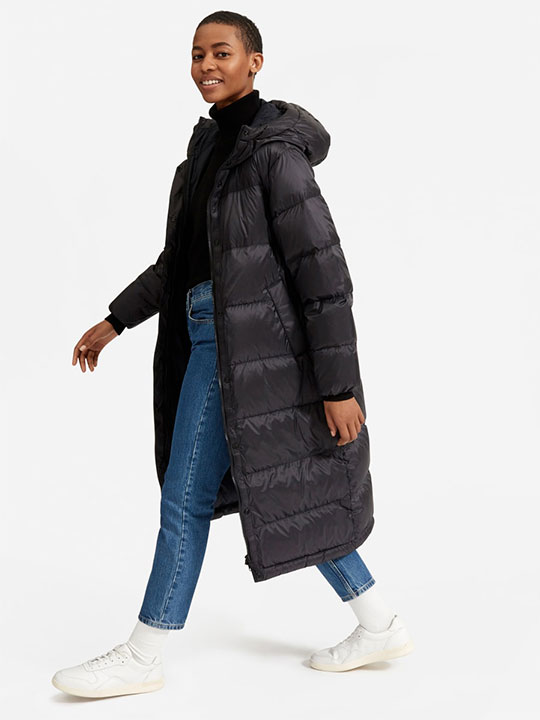
Decoding Sustainable Materials
The foundation of any sustainable parka is the materials it’s made from. Recycled polyester (rPET) is a popular choice, created from plastic bottles and other post-consumer waste. It reduces landfill waste and requires less energy to produce than virgin polyester, though it’s not a perfect solution – microplastic shedding remains a concern.
Recycled nylon is another common material, offering similar benefits to rPET. Organic cotton is often used for linings and other components, minimizing the use of harmful pesticides and fertilizers. However, even organic cotton requires significant water resources, so mindful consumption is still key.
Beyond these, we’re seeing exciting innovation in plant-based insulation. Kapok, derived from a tropical tree, is naturally buoyant and offers excellent warmth. Plumleaf is another option, utilizing down-like fibers from a Japanese plant. While these alternatives are promising, their scalability and long-term durability are still being evaluated.
It's important to understand that 'sustainable' isn’t a simple label. Every material has its trade-offs. Recycled materials, while better than virgin materials, aren’t necessarily closed-loop. Organic cotton still requires water. Transparency from brands about their sourcing and manufacturing processes is crucial for making informed decisions.
- rPET: Recycled polyester, made from plastic waste.
- Recycled Nylon: Offers similar benefits to rPET.
- Organic Cotton: Grown without harmful pesticides.
- Kapok: Plant-based insulation from a tropical tree.
- Plumleaf: Down-like fibers from a Japanese plant.
Sustainable Parka Material Comparison - 2026
| Material | Source | Warmth | Durability | Water Resistance | Environmental Impact |
|---|---|---|---|---|---|
| rPET (Recycled Polyethylene Terephthalate) | Plastic bottles and other PET waste | Good | Good | Moderate | Low |
| Recycled Nylon | Post-consumer and industrial nylon waste | Very Good | Excellent | Good | Low to Medium |
| Organic Cotton | Farms using organic farming methods (no synthetic pesticides or fertilizers) | Moderate | Moderate | Low | Medium |
| Kapok | Seed fibers from the Kapok tree | Good | Moderate | Low | Low to Medium |
| Plumleaf | A plant-based alternative to down | Good | Moderate | Moderate | Low |
| Down (RDS Certified) | Duck or goose feathers, certified by the Responsible Down Standard | Excellent | Very Good | Moderate | Medium (dependent on RDS certification and traceability) |
Illustrative comparison based on the article research brief. Verify current pricing, limits, and product details in the official docs before relying on it.
Top Sustainable Parkas for 2026
The market for sustainable parkas is expanding rapidly, with several brands leading the charge. The North Face is consistently innovating with recycled materials and responsible manufacturing practices. Their ThermoBall Eco Jacket, while not a traditional parka, showcases their commitment to sustainability and offers excellent warmth for milder winter conditions. Expect to pay around $250-$350.
LLBean offers several eco-conscious options, including parkas made with recycled materials and responsibly sourced down. The Eco-Friendly Down Parka is a solid choice, providing reliable warmth and durability. It typically falls in the $300-$450 price range. They’ve made clear commitments to reducing their carbon footprint, and it shows in their product line.
Eddie Bauer also stands out with their commitment to sustainability. Their Superior Down Parka, available with recycled content options, is a versatile and warm choice. Prices generally range from $280 to $400. They are transparent about their supply chain and actively work to minimize waste.
Patagonia's Tres 3-in-1 Parka is a durable, versatile option made with recycled materials and a waterproof membrane. It's a bit of an investment, typically around $400-$550, but the quality and longevity are worth considering. Patagonia is well-known for its environmental activism and commitment to fair labor practices.
Arc'teryx’s Atom LT Hoody isn't a full parka, but it’s a frequently recommended layering piece that uses recycled materials. It’s a good option for those who prefer a modular approach to winter warmth, and costs around $280. Their focus on durability means their products are built to last.
REI Co-op’s 650 Down Jacket 2.0 is a more affordable option, utilizing recycled down and a recycled polyester shell. It’s a great choice for everyday wear and light to moderate winter conditions, priced around $180-$250. REI’s commitment to sustainability extends to their own brand and the products they carry.
Outerknown’s Chatham Parka is a stylish and sustainable option, made with recycled materials and organic cotton. It’s a bit more fashion-forward than some of the other options, and costs around $350-$450. The brand prioritizes ethical production and fair labor practices.
Columbia’s Vitas Rain Jacket with Omni-Tech recycled waterproof breathable fabric is an excellent lightweight, packable option. It isn’t a parka in the traditional sense, but it’s a great choice for layering and staying dry in wet conditions. Prices range from $150-$250.
Featured Products

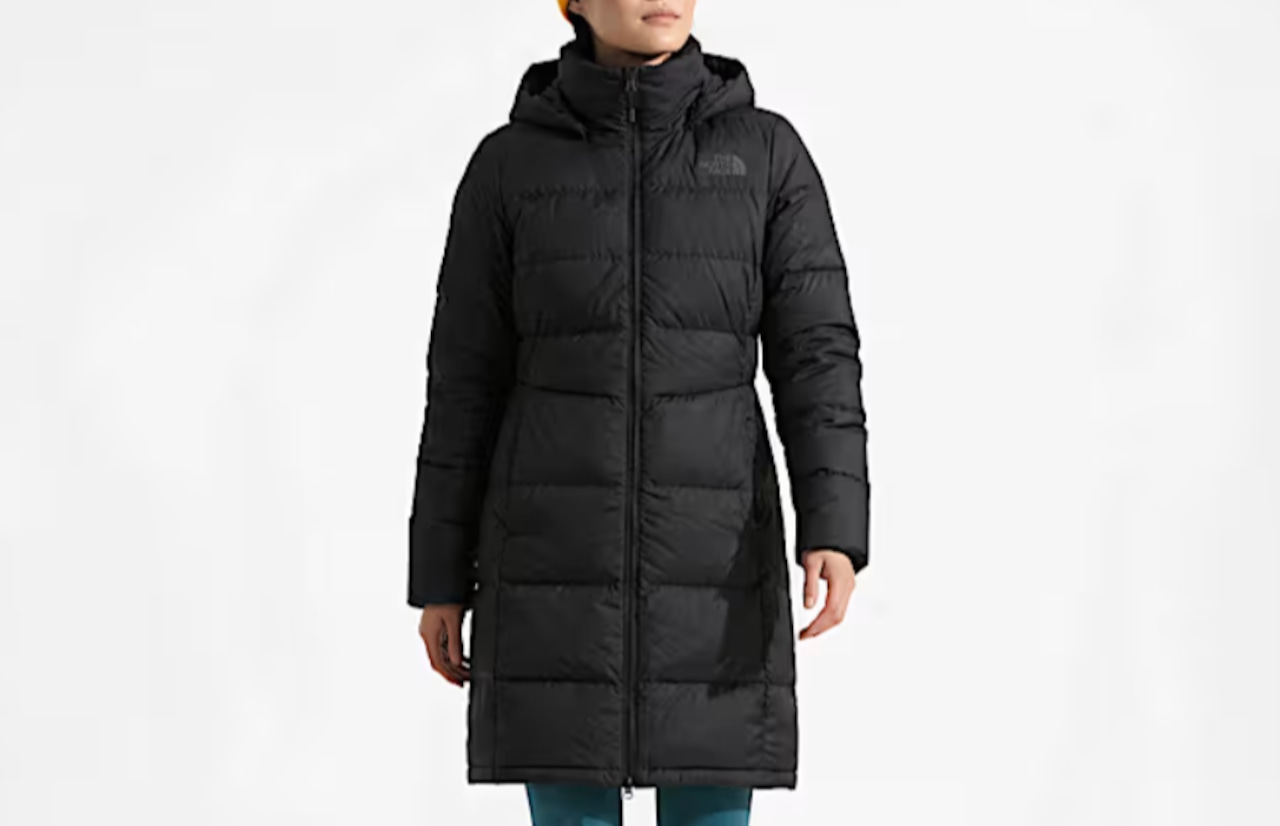
Waterproof shell · Recycled down insulation · Adjustable hood
This parka provides exceptional warmth and weather protection with its waterproof shell and recycled down insulation, making it a sustainable choice for cold weather.
Waterproof shell · Recycled down insulation · Adjustable hood
This parka provides exceptional warmth and weather protection with its waterproof shell and recycled down insulation, making it a sustainable choice for cold weather.

750+ Fill Power Down Insulation · Full-length design · Long coat parka jacket
The Fitouch Waukee Long Down Coat offers superior warmth with its high fill power down and full-length coverage, providing an eco-conscious option for extreme cold.

Water-resistant shell · Fleece lining · Insulated thermal construction
This versatile jacket offers water resistance and thermal insulation with a fleece lining, providing a budget-friendly and functional option for various winter activities.
Waterproof shell · Recycled down insulation · Adjustable hood
This parka provides exceptional warmth and weather protection with its waterproof shell and recycled down insulation, making it a sustainable choice for cold weather.
As an Amazon Associate I earn from qualifying purchases. Prices may vary.
Brand Spotlight: Leaders in Eco-Conscious Design
North Face has made significant strides in sustainability, setting ambitious goals to reduce their environmental impact. They’ve committed to using 100% recycled fabrics by 2025 and are actively investing in innovative materials like recycled nylon and plant-based insulation. They also partner with Bluesign to ensure responsible chemical management throughout their supply chain.
LLBean’s commitment to sustainability is rooted in their long-standing tradition of quality and durability. They prioritize responsible sourcing of materials, including recycled down and organic cotton. They are also working to reduce waste in their manufacturing processes and minimize their carbon footprint. LLBean actively publishes reports on their sustainability initiatives.
Eddie Bauer has embraced a circular economy model, offering repair services and take-back programs to extend the life of their products. They are also committed to using recycled materials and reducing water consumption in their manufacturing processes. Eddie Bauer demonstrates transparency by sharing information about their supply chain and ethical sourcing practices.
Beyond the Parka: Responsible Ownership
Sustainability doesn’t end with the purchase. Proper care and cleaning are crucial for extending the life of your parka. Washing less frequently and using gentle, eco-friendly detergents can significantly reduce its environmental impact. Air drying is always preferable to machine drying.
Consider repair options before replacing a damaged parka. Many brands offer repair services, or you can find local tailors who can handle minor repairs. Extending the lifespan of your coat is one of the most sustainable things you can do.
When it’s finally time to retire your parka, explore responsible disposal options. Some brands offer take-back programs, while others partner with recycling organizations. Avoid sending your coat to a landfill whenever possible. Buying a high-quality, durable parka in the first place is a good start, but responsible ownership is what truly makes a difference.
Certifications to Trust (and Question)
Navigating sustainability certifications can be tricky. Bluesign certification ensures that a product is made with responsible chemical management, minimizing harm to people and the environment. OEKO-TEX Standard 100 verifies that a textile product is free from harmful substances.
The Responsible Down Standard (RDS) ensures that down and feathers come from animals that have been treated humanely. Fair Trade certification guarantees fair wages and safe working conditions for farmers and workers. Global Organic Textile Standard (GOTS) certifies that textiles are made from organic fibers and meet strict environmental and social criteria.
However, not all certifications are created equal. Some labels are more rigorous than others, and some are essentially meaningless marketing claims. Be wary of vague terms like “eco-friendly” or “green” without specific certification to back them up. Research the certification and the organization behind it before placing too much trust in it.
Parka Standouts: Worth a Closer Look
The Patagonia Tres 3-in-1 Parka consistently receives high marks for its versatility and durability. The ability to wear the shell and inner jacket separately or together makes it a great option for a wide range of conditions. It’s an investment, but one that should last for years.
LLBean’s Eco-Friendly Down Parka provides an excellent balance of warmth, sustainability, and affordability. It’s a reliable choice for everyday wear and moderate winter conditions. The responsible sourcing of down and recycled materials makes it a guilt-free purchase.
For those prioritizing a lightweight, packable option, Columbia’s Vitas Rain Jacket with Omni-Tech is a standout. It’s not a traditional parka, but it’s a valuable addition to any winter wardrobe, providing waterproof and breathable protection.
The Future of Sustainable Outerwear
The future of sustainable outerwear looks promising. We’re seeing increasing interest in bio-based materials, such as mushroom leather and algae-based fabrics. Circular economy models, like take-back programs and resale platforms, are gaining traction, encouraging consumers to keep products in use for longer.
Advancements in recycling technology are also paving the way for more closed-loop systems, where materials can be effectively recycled and reused. While challenges remain, the industry is moving in a positive direction, driven by consumer demand and a growing awareness of environmental responsibility.
No comments yet. Be the first to share your thoughts!