

Decoding Military Parka Design
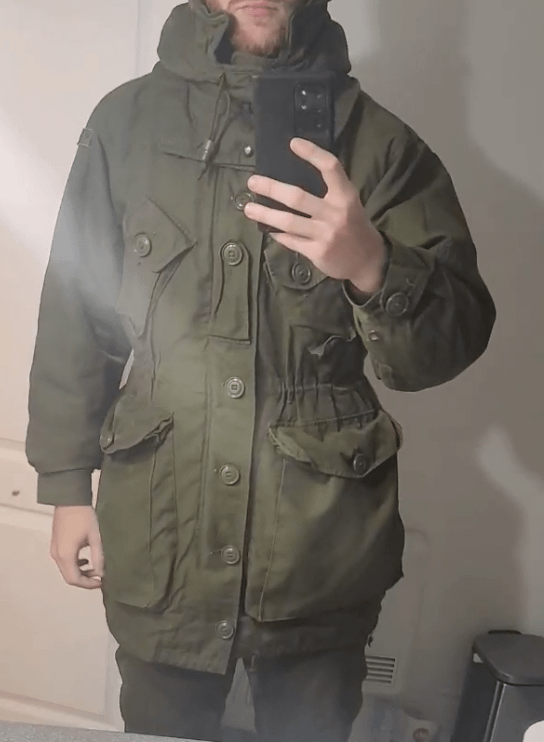
Military parkas prioritize function, durability, and protection in extreme conditions. The main goal is to keep the wearer alive and operational, which dictates material choices, construction, and silhouette. Expect designs that minimize exposed skin and maximize insulation, even if it means adding bulk.
The outer shell material is crucial. Ripstop nylon is common because it's lightweight, strong, and its weave prevents tears from spreading. For tougher conditions, materials like Cordura offer exceptional abrasion resistance. Modern parkas often use waterproof/breathable membranes like Gore-Tex, while older designs relied on durable water repellent (DWR) treatments.
Insulation is also critical. Down was historically favored for its warmth-to-weight ratio, but it loses insulation when wet, a significant problem in many operational scenarios. This led to synthetic insulation, like PrimaLoft, which stays warm even when damp. Modern parkas often combine down for core warmth with synthetics in moisture-prone areas.
Military parka design has evolved significantly. The US military's ECWCS (Extended Cold Weather Clothing System) parka, introduced in the 1980s, was a major advancement, using a layered system for adaptability. Later versions, like the Gen III ECWCS, incorporated newer materials and designs. Surplus Gen III parkas are still available and offer good value for serious cold-weather protection.
Design choices also reflect intended use. Pockets are plentiful and placed for easy access with gloves or a pack. Hoods accommodate helmets, and closures prioritize security and ease of use with limited dexterity. The design aims to work seamlessly with other gear.
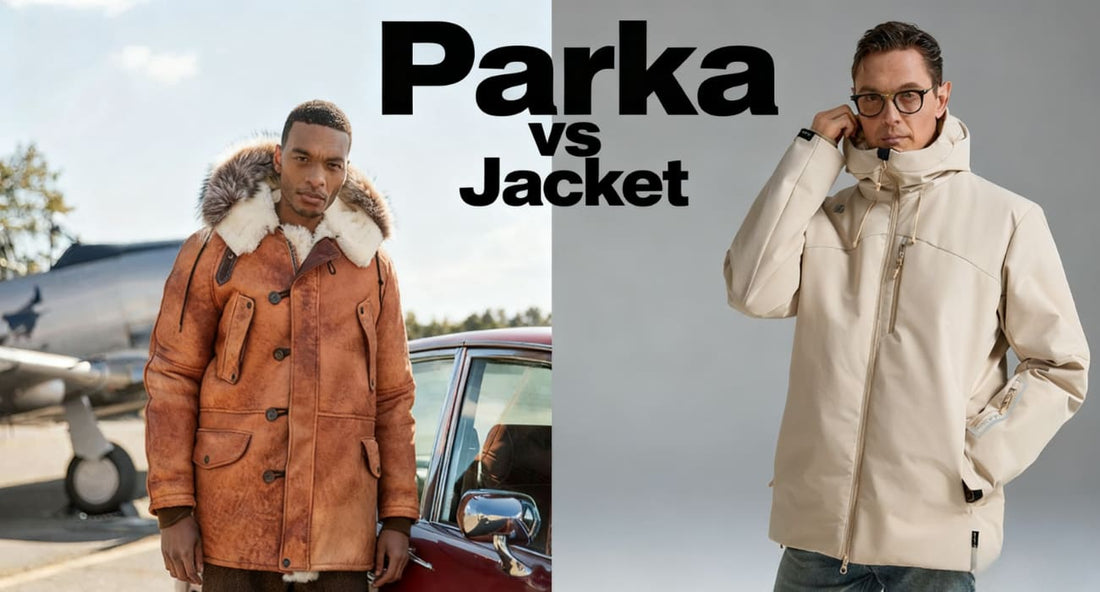
Civilian Winter Jackets: A Different Approach
Civilian winter jackets have different priorities. While warmth and weather protection matter, style, comfort, and versatility often come first. Brands like LLBean, Eddie Bauer, and North Face design jackets for everyday wear, outdoor recreation, and other activities.
The 'athleisure' trend has influenced civilian parka design, with many jackets now featuring articulated elbows, stretch panels, and streamlined silhouettes for better mobility and comfort. This differs from the boxier, utilitarian fit of many military parkas. Aesthetics are also more prominent, with civilian parkas offered in more colors and styles.
Material choices reflect these priorities. Down is popular for its warmth and compressibility, often treated with hydrophobic coatings for water resistance. Synthetic insulation is also common, with brands developing their own alternatives to PrimaLoft. Waterproof/breathable membranes are frequently used, balancing protection with breathability for active use.
Construction details also vary. Seam taping is often less extensive on civilian jackets, and the build quality may be lighter than military-grade parkas. This can lead to a more comfortable and flexible jacket for everyday use. Faux fur trim and decorative stitching are common additions.
Materials Face-Off: Durability & Warmth
Regarding outer shells, nylon denier is a key metric. Higher denier numbers indicate a more durable fabric. Military parkas often use 500D or 1000D Cordura, while civilian jackets might range from 70D to 210D nylon. Cordura is more abrasion-resistant, but also heavier and stiffer.
Down insulation is measured by 'fill power'. Higher fill power means higher quality down that traps more air and provides more warmth for its weight. 600 fill power is good, while 800 or higher is excellent. Down loses insulation when wet. Synthetic alternatives, like PrimaLoft Gold, offer comparable warmth to 650-fill power down and retain much of their insulating value when damp.
Waterproof/breathable membranes are another important consideration. Gore-Tex is the standard, known for its exceptional waterproofness and breathability, but it's expensive. Many brands use their own proprietary membranes, offering good performance at a lower cost. The breathability rating (g/m²/24hr) and waterproof rating (mm) are key metrics.
DWR (durable water repellent) treatments help water bead and roll off the outer shell, but they wear off and need reapplication. Civilian parkas often rely heavily on DWR, while military parkas typically combine DWR with a waterproof membrane for more reliable protection. Parka Bargains stocks jackets with varying DWR treatments; check product descriptions.
Here’s a quick comparison table:
| Feature | Military Parka | Civilian Parka |
|---|---|---|
| Outer Shell | 500D-1000D Cordura, Ripstop Nylon | 70D-210D Nylon |
| Insulation | Down/Synthetic Blend, Primarily Synthetic | Down, Synthetic |
| Waterproofing | Gore-Tex, DWR | Proprietary Membranes, DWR |
| Durability | Very High | Moderate to High |
Material Comparison: Military Parkas vs. Civilian Winter Jackets
| Material | Weight | Warmth (Dry) | Warmth (Wet) | Durability | Breathability | Cost |
|---|---|---|---|---|---|---|
| Nylon | Medium | Medium | Low | Medium | Medium | Medium |
| Cordura Nylon | Medium-High | Medium | Low | High | Medium | Medium-High |
| Down (600 Fill Power) | Light | High | Very Low | Medium | Low | Medium-High |
| Down (800 Fill Power) | Very Light | Very High | Very Low | Medium | Low | High |
| PrimaLoft Synthetic Insulation | Medium | High | Medium | Medium-High | Medium | Medium |
| Gore-Tex (Membrane) | Medium | Medium | Medium | High | High | High |
| Polyester | Light | Medium | Medium | Medium | Medium | Low |
| Wool | Medium-Heavy | High | Medium | Medium | Medium | Medium |
Illustrative comparison based on the article research brief. Verify current pricing, limits, and product details in the official docs before relying on it.
Construction & Features: What Sets Them Apart
A parka's construction significantly impacts its durability and performance. Military parkas are built to withstand harsh abuse, with taped seams to prevent water intrusion and reinforced stitching in high-stress areas. Civilian parkas may have taped seams, but often less comprehensively.
Hood design is a key differentiator. Military hoods are often designed to accommodate helmets, with adjustable drawcords and a large brim. Civilian hoods are typically more streamlined, focusing on comfort and fit. Pocket placement and quantity also vary; military parkas often have numerous pockets for gear, while civilian parkas favor a minimalist approach.
Closure systems also contrast. Military parkas often use heavy-duty zippers (typically YKK) with storm flaps. Civilian parkas may use lighter-weight zippers and fewer storm flaps. Drawcords are used extensively in both to cinch the waist, hood, and cuffs, but their quality and adjustability vary.
Zipper quality is often overlooked. YKK zippers are considered the industry standard for reliability and durability. Many civilian parkas use YKK zippers, though some opt for cheaper alternatives. Storm flaps, internal pockets, and adjustable cuffs are common in both types, but their quality and functionality can differ.
Top Military-Inspired Parkas for 2026
If you like the durability and functionality of military parkas but want a more civilian-friendly design, here are a few top picks:
1. Alpha Industries N-3B VF 59 Parka: A classic military-inspired parka that closely resembles the original US Air Force N-3B. It features a rugged nylon shell, a detachable fur hood, and plenty of pockets. Price range: $200-$300.
2. Rothco M-65 Field Coat: A faithful reproduction of the iconic M-65 field coat worn by US soldiers during the Vietnam War. It’s a versatile and durable option for mild to cold weather. Price range: $100-$150.
3. BÆRSkin Military Parka (via BÆRSkin Tactical): This parka focuses on modern materials and a refined fit while maintaining a tactical aesthetic. It offers excellent warmth and weather protection. Price range: $250-$350.
4. Surplus Authentic US Military ECWCS Parka (via eBay): You can often find genuine surplus ECWCS parkas on eBay at bargain prices. Be sure to check the condition carefully before purchasing. Price range: $80-$200 (depending on condition).
5. Carhartt WIP Anchorage Parka: While not strictly military-inspired, this parka borrows elements from military designs, like a durable shell and a functional hood. It's a stylish and practical option for everyday wear. Price range: $250-$350.
6. 5.11 Tactical Recon Parka: Designed for law enforcement and military personnel, this parka offers a high level of durability and functionality. It features a waterproof/breathable shell and plenty of pockets. Price range: $300-$400.
7. Helly Hansen Odin Parka: A high-end option that combines military-inspired design with premium materials and construction. It’s a great choice for demanding outdoor activities. Price range: $500+
Featured Products

Vintage field jacket design · All-season outdoor weather protection · Classic style
This jacket offers a classic military-inspired aesthetic with all-season weather protection, suitable for everyday wear and outdoor activities.
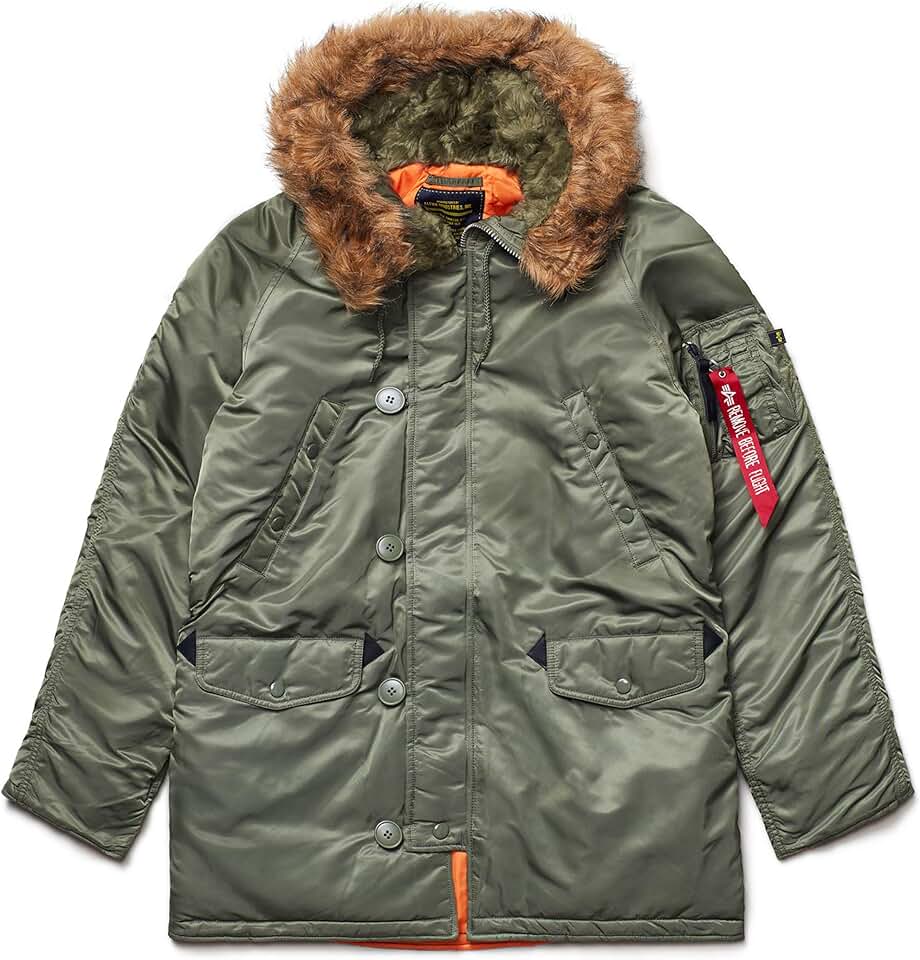
Slim fit N-3B parka design · Designed for extreme cold weather · Durable construction
The Alpha Industries N-3B Parka provides exceptional warmth and durability, engineered to withstand harsh winter conditions with a military-grade build.

M-51 Fishtail Parka style · Removable liner for versatile warmth · Durable cotton canvas construction
Emulating the iconic M-51 fishtail parka, this jacket offers robust construction and adaptable warmth with its removable liner, ideal for varied cold weather.
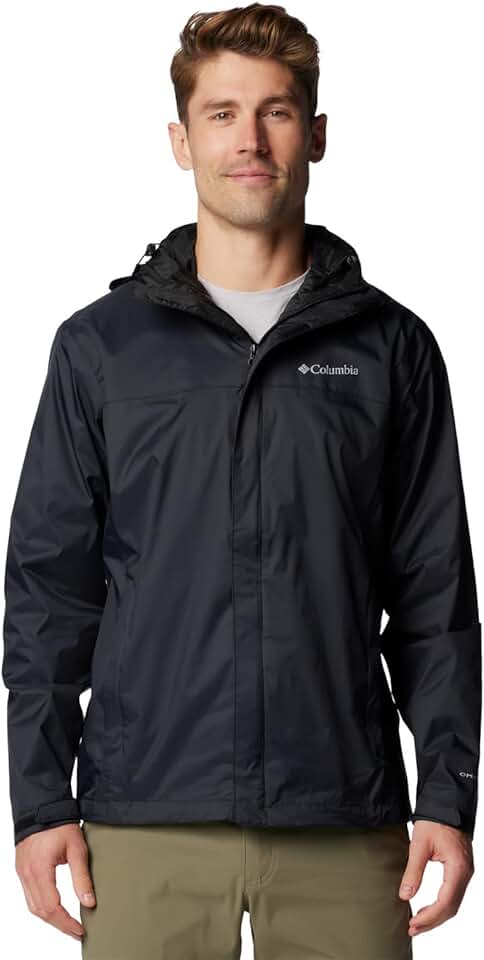
Waterproof and breathable fabric · Lightweight design · Adjustable storm hood
While not a military parka, the Columbia Watertight II Jacket provides reliable waterproof protection and breathability in a lightweight package for unpredictable weather.

Firm duck canvas · Water-repellent finish · Quilted flannel lining
This Carhartt coat offers rugged durability and water repellency with a warm quilted lining, providing a civilian alternative for tough work and outdoor conditions.
As an Amazon Associate I earn from qualifying purchases. Prices may vary.
When Does a Military Parka Make Sense?
A military parka is an excellent choice if you need a jacket for extreme cold weather, frequent use, and rough handling. They’re ideal for outdoor work, hiking/camping in harsh conditions, or for those who appreciate
However, they’re not for everyone. Military parkas can be heavier and bulkier than civilian options, making them less comfortable for everyday wear. They also tend to be less stylish and may not be appropriate for all social settings. Be honest with yourself about your needs and priorities before making a decision.
Surplus military parkas can be a great value, but they come with some caveats. The condition of surplus parkas can vary widely, and they may show signs of wear and tear. It’s important to inspect the jacket carefully before purchasing and be aware of any potential flaws. However, a well-maintained surplus parka can provide years of reliable service.
Maintenance & Care: Keeping Your Parka Ready
Proper care is essential for maintaining the performance and longevity of your parka. Always follow the manufacturer’s instructions on the care label. Down parkas require special attention. Use a down-specific detergent and tumble dry on low heat with dryer balls to restore loft.
Synthetic insulation is more forgiving and can typically be machine washed and dried. However, avoid using harsh detergents or fabric softeners, as these can damage the insulation. Regularly re-applying a DWR treatment will help maintain the water repellency of the outer shell. There are many effective DWR sprays available for purchase.
Store your parka in a cool, dry place when not in use. Avoid compressing down parkas for extended periods, as this can damage the down clusters. For minor repairs, such as a torn seam, a simple needle and thread can often do the trick. Parka Bargains offers helpful care guides on their website – it’s a great resource for specific product recommendations.
No comments yet. Be the first to share your thoughts!