

Parka styles: Military vs. Winter
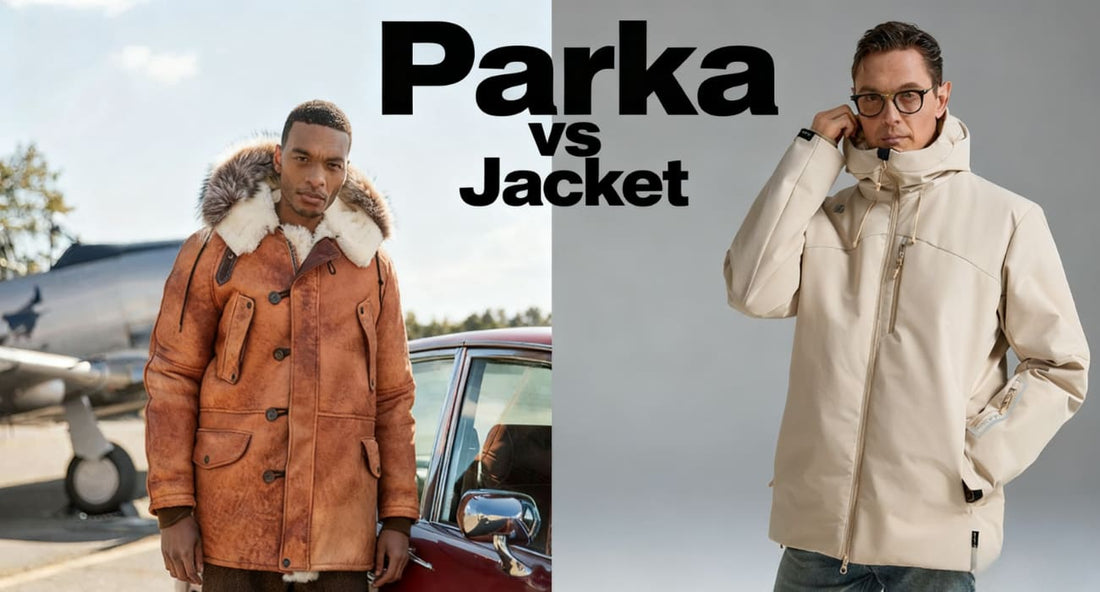
When people talk about a 'military parka,' they generally picture a longer, heavier coat with a distinctly utilitarian look. Think robust fabrics, lots of pockets, and a functional, no-frills design. These jackets often have a history rooted in military use, designed to withstand harsh conditions. A 'winter parka,' on the other hand, tends to evoke images of warmth and weather protection – often featuring sleeker lines and a focus on modern materials.
The lines between these two styles aren’t always clear. Many brands now offer 'military-inspired' winter parkas, blending the aesthetic of the former with the technical features of the latter. Historically, military parkas originated as essential gear for soldiers operating in cold climates. The US Army’s M-51 parka, developed during the Korean War, is a prime example – a design that continues to influence parka styles today.
Winter parkas have a less specific origin story, evolving alongside advancements in textile technology and insulation. They were initially focused on providing warmth for general winter wear, but have become increasingly sophisticated with the introduction of materials like down and waterproof membranes. While both styles aim to keep you warm, their approaches and design philosophies differ considerably. It's useful to consider what you prioritize – rugged durability and classic style, or cutting-edge warmth and weather protection.
Military parka construction
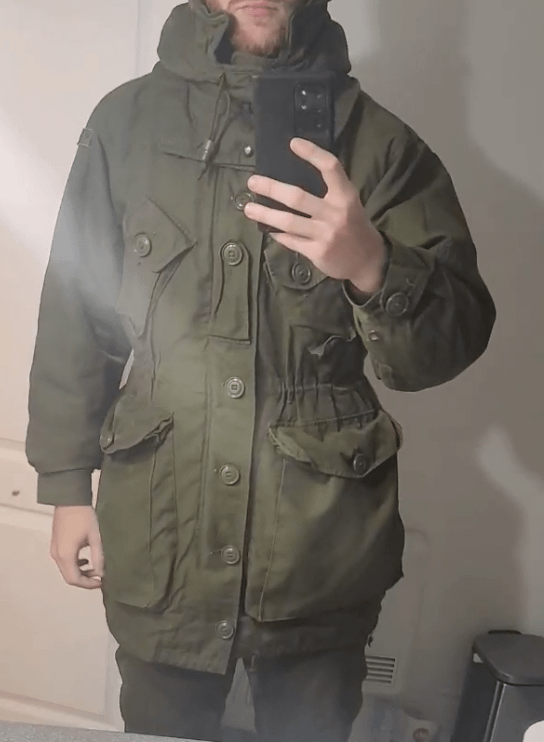
Traditional military parkas prioritize durability and functionality above all else. You’ll often find them constructed from tough cotton/nylon blends or ripstop fabrics, designed to resist tears and abrasions. These materials aren't necessarily the warmest on their own, but they hold up well to heavy use and harsh conditions. Early military parkas relied heavily on wool or cotton batting for insulation.
Modern military-style parkas may incorporate synthetic insulation like Thinsulate, offering a better warmth-to-weight ratio than traditional materials, but still emphasizing ruggedness. A key characteristic is the focus on practical features: epaulets for attaching gear, multiple large pockets for carrying essential items, and drawcords at the waist and hood to seal out the elements. These aren’t luxuries; they were designed for soldiers carrying equipment in the field.
What’s notable is the design’s emphasis on practicality rather than pure comfort. Military parkas aren’t about being the most comfortable jacket; they're about being reliable and functional in demanding environments. This often translates to a heavier, less streamlined fit compared to modern winter parkas. You’ll find a lot of reinforcement at stress points, like the elbows and shoulders, to enhance longevity. The goal was to create a garment that could withstand years of hard wear.
Winter Parka: Modern Warmth Engineering
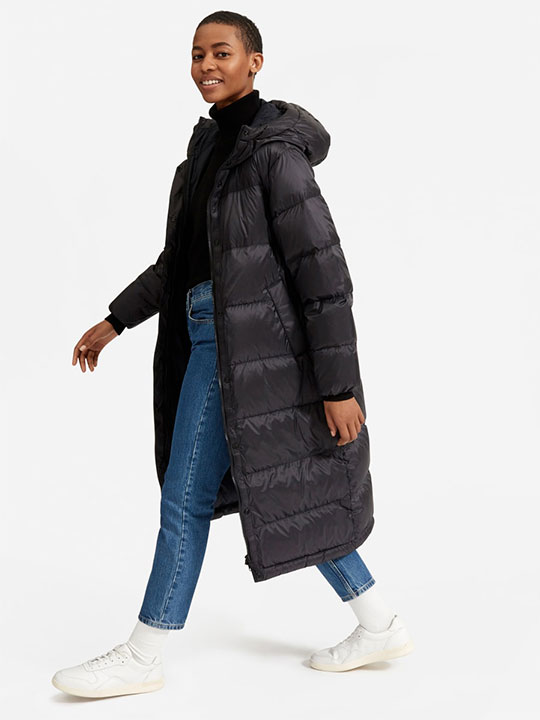
Modern winter parkas represent a significant leap in warmth engineering. The biggest change has been the evolution of insulation. Down – the fluffy undercoating of ducks and geese – remains a popular choice, prized for its exceptional warmth-to-weight ratio. Fill power, a measure of down’s loft and insulating ability, is a key specification. Higher fill power means more warmth for less weight.
However, synthetic insulation like PrimaLoft has become increasingly popular, particularly for wet conditions. Unlike down, synthetics retain their insulating properties when wet, making them a more reliable choice in unpredictable weather. Alongside insulation, waterproof and breathable membranes like Gore-Tex and HyVent play a crucial role in keeping you dry and comfortable.
These membranes allow moisture vapor to escape while preventing water from penetrating the outer shell. Seam sealing is another important feature, preventing water from leaking through the stitching. Modern winter parkas also often incorporate insulated hoods, storm flaps over zippers, and a more streamlined fit designed to maximize warmth and minimize bulk. The design process is heavily focused on optimizing the warmth-to-weight ratio and providing complete weather protection.
Warmth Ratings: Decoding the Specs
Understanding parka warmth ratings can be tricky. For down parkas, fill power is the key metric. A fill power of 600 is considered good, while 800 or higher is excellent. For synthetic insulation, warmth is typically measured in grams – the higher the gram weight, the warmer the jacket. However, these ratings aren’t always directly comparable between brands.
The shell fabric also plays a significant role. A tightly woven, windproof fabric will significantly enhance warmth, even with the same amount of insulation. Fit is crucial too – a snug fit traps more body heat, while a loose fit allows for more air circulation. Layering is another vital factor; a parka’s warmth rating assumes you’re wearing appropriate base and mid-layers.
Unfortunately, there isn’t a universally standardized warmth rating system for parkas. Some brands use their own proprietary scales, making it difficult to compare jackets directly. It's best to read reviews and consider the intended use of the parka when evaluating its warmth. Don’t rely solely on the numbers; consider the overall construction and materials.
- Fill Power (Down): 600+ is good, 800+ is excellent.
- Synthetic Insulation: Higher gram weight = more warmth.
- Shell Fabric: Windproof and water-resistant materials enhance warmth.
Military Parkas vs. Winter Parkas: Key Feature Comparison (2026)
| Feature | Military Parka | Winter Parka |
|---|---|---|
| Insulation Type | Typically thinner insulation, designed for layering with additional clothing for varying conditions. | Generally features more substantial insulation, often down or synthetic, for consistent warmth. |
| Shell Material | Often constructed from durable, rugged materials like nylon or a cotton/nylon blend, prioritizing durability and sometimes camouflage. | Frequently utilizes waterproof/breathable membranes (like Gore-Tex or similar technologies) and durable outer fabrics like polyester. |
| Hood | May have a basic, adjustable hood, sometimes with minimal insulation or features. Often designed to accommodate headwear. | Typically features a fully adjustable, insulated hood, often with a fur ruff for enhanced protection against the elements. |
| Length | Generally shorter length, designed for mobility and ease of movement. Often falls at or above the hip. | Typically longer length, extending to mid-thigh or knee, providing greater coverage and warmth. |
| Pockets | Often features multiple utilitarian pockets, designed to carry essential gear and equipment. | Usually includes a variety of pockets, often with fleece lining for hand warmth and secure closures. |
| Fit | Often a more relaxed or straight fit to accommodate layers. | Can range from a standard fit to a more tailored or streamlined fit, depending on the intended use. |
Illustrative comparison based on the article research brief. Verify current pricing, limits, and product details in the official docs before relying on it.
Price & Value: Where Your Money Goes
Generally, military-style parkas can range from very affordable to moderately expensive. Surplus military parkas – genuine, used gear – can often be found for under $150. These offer incredible value for their durability, but may lack modern features like waterproof membranes or advanced insulation. Newer military-inspired parkas from brands like Alpha Industries typically fall in the $200-$400 range.
High-end winter parkas from established brands like LLBean, Patagonia, or The North Face come with a premium price tag, often exceeding $500 and sometimes reaching over $800. You're paying for advanced materials (Gore-Tex, high-fill-power down), meticulous construction, and a focus on performance and longevity. The cost also reflects the brand’s reputation and warranty.
With a military-style parka, you’re prioritizing ruggedness and a classic aesthetic. With a high-end winter parka, you’re investing in cutting-edge technology and superior weather protection. It’s a trade-off between affordability and performance. Consider your needs and budget carefully. A well-cared-for military surplus parka can last for years, while a high-end winter parka may offer a more comfortable and reliable experience in extreme conditions.
- Military Surplus Parkas: Under $150 – Durable, basic, affordable.
- Military-Inspired Parkas: $200-$400 – Rugged, some modern features.
- High-End Winter Parkas: $500+ – Advanced materials, superior performance.
Featured Products

650 fill power down insulation · Water-repellent StormRepel® DWR finish · Adjustable hood and hem
This parka offers excellent warmth and water resistance for everyday winter wear at a competitive price point.
650 fill power down insulation · Water-repellent StormRepel® DWR finish · Adjustable hood and hem
This parka offers excellent warmth and water resistance for everyday winter wear at a competitive price point.

Waterproof and windproof DryVent™ shell · 550 fill recycled down insulation · Removable faux-fur ruff on adjustable hood
A premium option combining robust weather protection with sustainable insulation and a stylish, versatile design.
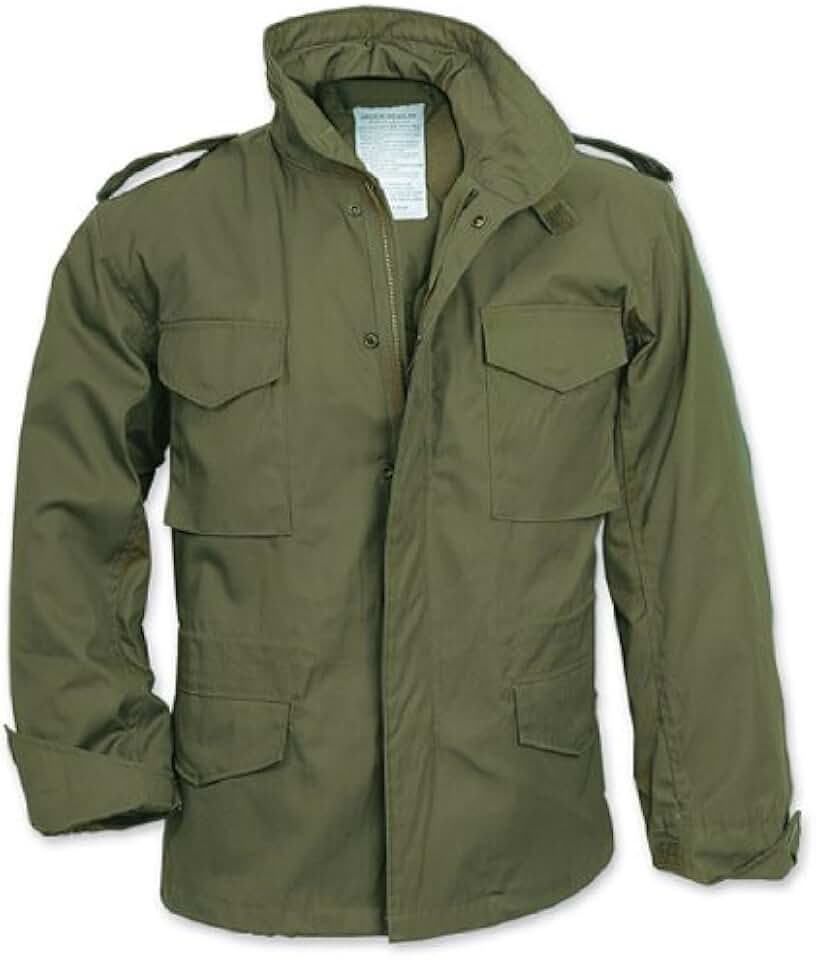
Durable cotton-poly twill fabric · Four large front pockets · Removable insulated liner
A classic military-style field jacket known for its rugged construction and ample storage, suitable for transitional weather.
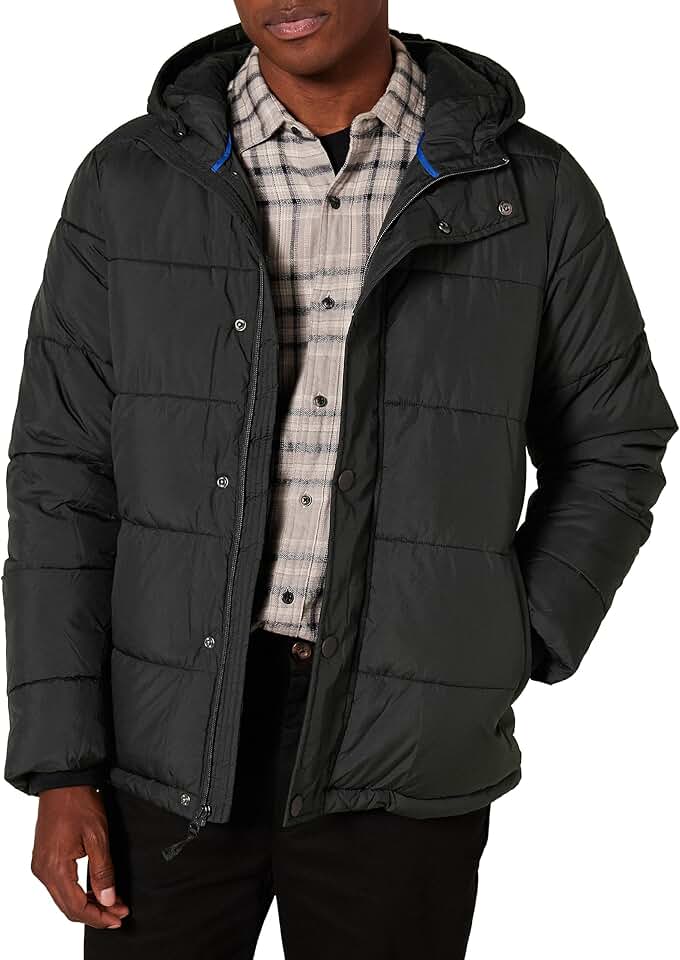
Heavyweight synthetic insulation · Attached hood · OEKO-TEX STANDARD 100 certified
This budget-friendly puffer coat provides substantial warmth and is certified for safety and sustainability.
As an Amazon Associate I earn from qualifying purchases. Prices may vary.
Durability & Longevity: Built to Last?
Military parkas, by their nature, are often built to withstand significant abuse. The robust fabrics and reinforced construction contribute to their durability. However, older surplus parkas may show their age – fabrics can fade, stitching can weaken, and insulation can compress over time. Proper care, including regular cleaning and storage, can extend their lifespan.
Modern winter parkas rely on technical fabrics that, while offering excellent performance, can be more susceptible to wear and tear. Waterproof membranes can degrade over time, and down insulation can lose its loft if not properly cared for. Regular washing and drying (following the manufacturer’s instructions) are essential for maintaining their performance.
Ultimately, the longevity of either style depends on how well it’s cared for. A high-quality winter parka, properly maintained, can last for a decade or more. A well-preserved military parka can potentially last even longer, owing to its simpler construction. Paying attention to care instructions and addressing minor repairs promptly will maximize the lifespan of your parka.
Styling & Versatility: Beyond Function
Military parkas offer a classic, utilitarian aesthetic that can be surprisingly versatile. They pair well with jeans, boots, and casual sweaters. Their rugged look works well in both urban and outdoor settings. They're a good choice if you value a timeless, understated style. Layering is key to maximizing their versatility.
Winter parkas come in a wider range of colors and designs, from sleek and minimalist to bold and colorful. This makes them easier to integrate into different wardrobes. The more streamlined fit of many winter parkas also lends itself to a more polished look. They’re generally better suited for situations where you want to balance warmth with style.
Consider your lifestyle and personal preferences. If you spend a lot of time outdoors or value a rugged, functional aesthetic, a military-style parka may be the better choice. If you prioritize style and versatility, a modern winter parka offers more options. Both styles can be incredibly useful, depending on your needs and how you choose to wear them.
No comments yet. Be the first to share your thoughts!