

The shift to active winter wear
Winter coats used to be passive layers. Now, they are becoming active tools. I've watched the shift from simple insulation to 'smart parkas' that react to the weather. These aren't just jackets with a heating pad; they are integrated systems that adjust to how you move and how cold it actually is.
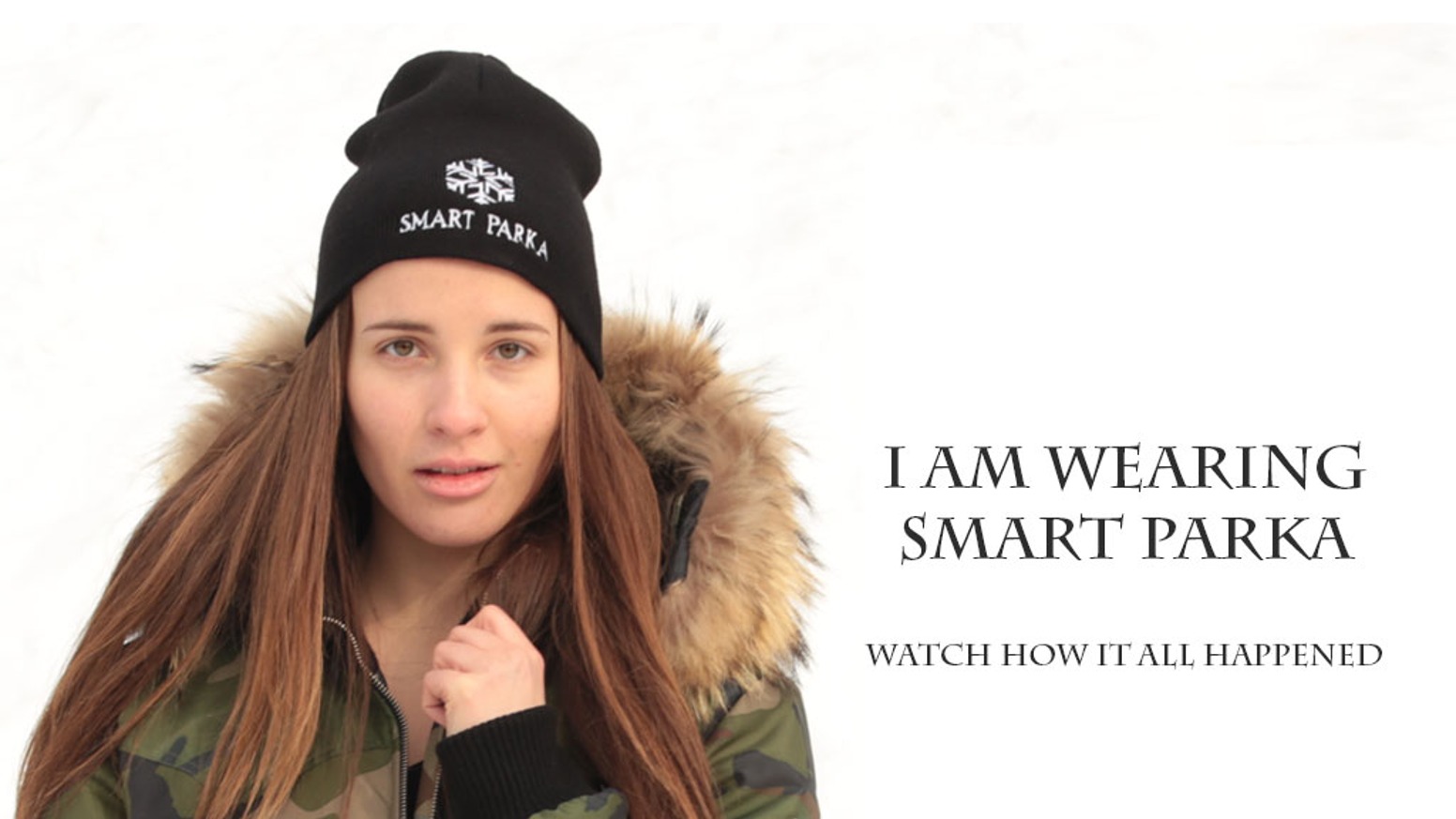
The initial spark for this movement seems to have been North Aware’s Smart Parka. Their Kickstarter campaign, which raised $3.5 million, demonstrated a clear consumer appetite for a more technologically advanced winter coat. It wasn’t just the promise of warmth that resonated with backers, but the idea of a coat packed with thoughtful features.
Early adopters were drawn to the idea of a coat that could simplify winter commutes and outdoor activities. Now, the market is expanding beyond that initial enthusiasm. More brands are starting to experiment with integrating technology into their designs, and consumers are becoming increasingly aware of the options available. It’s becoming less about if you want a smart parka, and more about which one is right for you.
The tech is still glitchy. We are seeing the first generation of these coats, and many still have hardware bugs or bulky batteries. But the shift is happening—winter gear is finally catching up to the rest of our gadgets.
Carbon fiber vs. metal wire heating
The core of most smart parkas is, unsurprisingly, the heating element. These aren’t your grandmother’s electric blankets, though. There’s a lot of engineering that goes into creating a heating system that’s effective, safe, and comfortable to wear. The two primary materials used are carbon fiber and metal wires, each with its own set of advantages and disadvantages.
Carbon fiber is often favored for its flexibility and durability. It distributes heat more evenly and is less likely to break down with repeated bending and movement. However, it generally produces less heat than metal wire elements. Metal wire, on the other hand, can generate more intense warmth, but it’s also more rigid and prone to damage. Finding the right balance is key for manufacturers.
Powering these elements requires a reliable battery source. Lithium-ion batteries are the standard, offering a good combination of energy density and lifespan. Many smart parkas now allow for the use of USB power banks, giving users greater flexibility and the ability to swap out batteries on the go. Battery life is a major consideration, of course, and varies significantly depending on the heat setting and battery capacity.
Heating zone configuration also plays a crucial role. Some parkas offer zonal heating, allowing you to target specific areas like the core, back, or hands. This maximizes efficiency and comfort. Safety is paramount, and reputable brands incorporate features like overheat protection and short-circuit prevention. Look for certifications like UL or CE to ensure the parka meets safety standards.
- Carbon fiber elements are flexible and distribute heat evenly, though they don't get as hot as wire.
- Metal wires provide intense heat but can snap if you fold the jacket too many times.
- Lithium-ion Batteries: Good energy density, long lifespan, standard for smart parkas.
- USB Power Banks: Increased flexibility, swappable power source.
Heating Element Technology Comparison (Projected - 2026)
| Technology | Flexibility | Heat-Up Time | Durability | Energy Efficiency |
|---|---|---|---|---|
| Carbon Fiber | High | Medium | Medium | High |
| Metal Wire | Low | High | Medium | Medium |
| Graphene-Enhanced Carbon Fiber (Emerging) | High | Medium | High | High |
| Silver-Coated Fabric (Emerging) | High | Low | Low | Medium |
| Conductive Ink (Potential Future) | High | Medium | Low | Medium |
Illustrative comparison based on the article research brief. Verify current pricing, limits, and product details in the official docs before relying on it.
App Connectivity and Control
App connectivity is quickly becoming a defining feature of smart parkas. The idea is simple: use your smartphone to control the heating elements, monitor battery life, and potentially access other useful data. However, the reality is often more nuanced. Many apps are currently quite basic, offering little more than simple on/off and temperature adjustment controls.
North Aware’s app is one of the more developed examples, allowing users to fine-tune temperature settings and monitor battery levels. But even here, the functionality is relatively limited. The potential for integration with other smart home ecosystems – imagine your parka automatically warming up as your commute starts based on your calendar – is largely untapped.
Activity tracking is another area where apps could add value. A smart parka could potentially monitor your heart rate, steps taken, or even your body temperature. This data could be useful for fitness enthusiasts or individuals with medical conditions. However, privacy concerns are a significant hurdle here, and manufacturers need to be transparent about how they collect and use this information.
I think we’ll see a significant improvement in app functionality over the next few years. More sophisticated algorithms, better user interfaces, and deeper integration with other devices will be crucial. The app is the key to unlocking the full potential of a smart parka.
- Temperature control
- Battery monitoring
- Activity tracking (potential)
- Smart home integration (potential)
Weather-Adaptive Materials: The Future of Shells
While heated elements are important, the shell material of a smart parka is equally crucial. We’re moving beyond simple waterproofing and windproofing towards materials that can actively respond to changing weather conditions. This is where things get really exciting. Phase-change materials (PCMs) are one promising technology. These materials absorb or release heat as they transition between solid and liquid states, helping to regulate your body temperature.
Imagine a parka that automatically increases its insulation when the temperature drops, or reduces it when you’re more active. That’s the power of PCMs. Another area of innovation is dynamic permeability. Some fabrics are being developed that can alter their breathability based on humidity levels, preventing you from overheating during exertion.
Researchers are also exploring self-healing fabrics that can repair minor tears and abrasions, extending the lifespan of the parka. And of course, advancements in waterproof and breathable membranes continue to improve the overall performance of the shell material. Gore-Tex remains a leader in this space, but other companies are developing competitive alternatives.
The challenge is to integrate these advanced materials without significantly increasing the cost or weight of the parka. It's a delicate balancing act. But I believe we’ll see a growing number of smart parkas incorporating these technologies in the coming years, offering a more comfortable and adaptable winter experience. This isn't just about staying warm; it's about staying comfortable in all conditions.
There is also ongoing work around fabrics that can harvest energy from movement to power small devices, though this is still very much in the research phase. It is unlikely to be a feature in 2026, but it represents a potential long-term evolution.
Beyond Warmth: Integrated Sensors & Safety
Smart parkas are starting to incorporate sensors that go beyond simply monitoring temperature and battery life. Fall detection is one example, using accelerometers to detect sudden impacts and automatically alert emergency contacts. This feature could be particularly valuable for elderly individuals or those who enjoy outdoor activities alone.
Location tracking is another potential application, allowing you to share your location with family or friends. Air quality monitoring is also gaining traction, with some parkas incorporating sensors that can detect pollutants and allergens. This is especially useful for people with respiratory conditions.
This data collection is a privacy nightmare. If a coat tracks your location and heart rate, that data lives on a server somewhere. I'm skeptical that these small apparel startups have the security infrastructure to keep that information safe, and regulators haven't even started looking at 'smart' clothing yet.
The potential benefits are significant, though. For outdoor enthusiasts, integrated sensors could provide valuable information about their surroundings and help them stay safe. For commuters, fall detection could be a lifesaver. And for people with medical conditions, air quality monitoring could help them avoid triggers.
The brands winning and losing
North Aware remains the most visible player in the smart parka market, largely due to the success of their initial Kickstarter campaign. They continue to iterate on their design and add new features. They’ve clearly established themselves as the innovator in this space. However, their price point is relatively high, limiting their reach.
Established brands like The North Face, Eddie Bauer, and L.L.Bean have been slower to enter the market. The North Face has experimented with heated jackets, but they haven't yet released a fully integrated 'smart' parka. Eddie Bauer and L.L.Bean currently offer primarily traditional winter coats, though I expect that to change in the coming years.
I believe these brands are taking a cautious approach, waiting to see how the market develops before making significant investments. They have a lot to lose by releasing a poorly executed product. Their brand reputation is built on quality and reliability, and they won’t want to jeopardize that.
Several smaller companies are also emerging, offering niche smart parkas targeted at specific activities like skiing or snowboarding. These brands often focus on specialized features and a more personalized experience. It’s a crowded space, and standing out requires a clear value proposition.
No comments yet. Be the first to share your thoughts!