

Parka evolution: 2024-2026
The women’s parka market of 2024 and 2025 was still heavily influenced by the trends of the early 2020s: longer lengths for maximum warmth, often with faux fur trim, and a focus on waterproof-breathable membranes. Colors tended towards neutrals – black, navy, olive – alongside a growing interest in bolder, jewel-toned options. We saw a steady increase in the use of recycled polyester in shell fabrics, but overall, sustainability wasn't yet a dominant force.
The shift toward eco-conscious outerwear is moving fast. Between 2025 and 2026, demand for recycled shells and plant-based fills is no longer a niche preference. Brands are reacting to a mix of tighter environmental regulations and the need for local, resilient supply chains after the shipping chaos of previous years.
Canada Goose, while still known for its premium down parkas, has begun to subtly influence the market by experimenting with recycled materials and more streamlined designs. Their focus on extreme weather protection has always been a benchmark, and now other brands are trying to match that performance with a smaller environmental footprint. It’s a challenge, but one we’re seeing brands actively take on. I think we'll continue to see this push for sustainable performance.
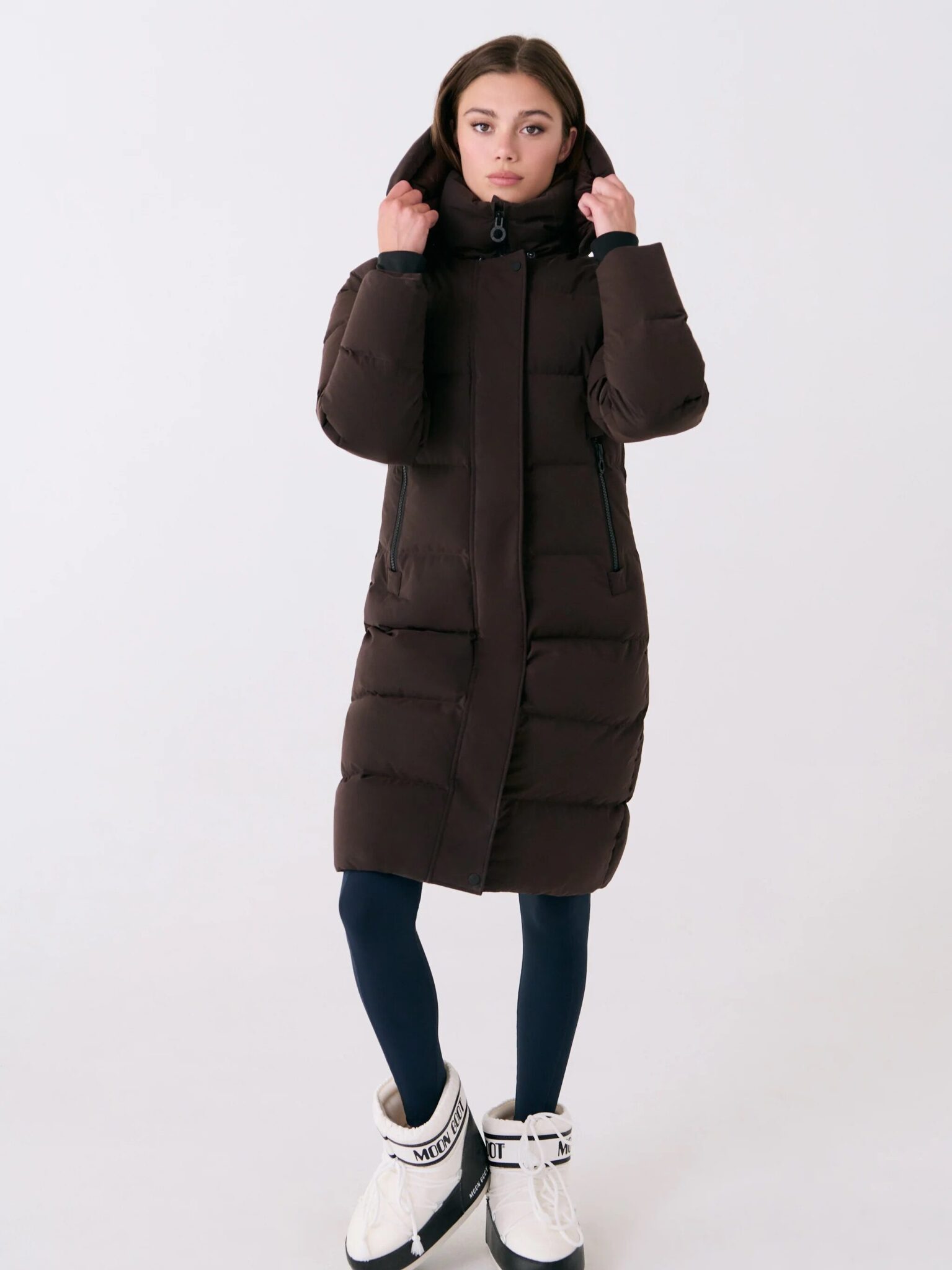
The shift to recycled nylon and polyester
Recycled nylon is currently leading the charge in sustainable women’s parkas. Brands are increasingly utilizing fabrics made from ECONYL®, a regenerated nylon yarn derived from waste like fishing nets and fabric scraps. This material offers comparable durability and abrasion resistance to virgin nylon, but with a significantly lower environmental impact. Recycled polyester, often sourced from plastic bottles, is also prevalent, particularly in lining fabrics and insulation.
Beyond nylon and polyester, we're starting to see experimentation with materials derived from ocean plastic – though the scalability and long-term durability of these options are still being evaluated. One key consideration is the quality of the recycled material itself; not all recycled content is created equal. The sourcing is crucial. Brands like LLBean and Eddie Bauer are transparent about their supply chains, detailing where their recycled materials come from and the processes involved.
Look for the bluesign® tag. It is a reliable way to verify that the factory actually manages chemicals and water responsibly. Since anyone can claim a jacket is 'green,' independent verification is the only way to know if the recycled content is legitimate.
Here's a quick look at some common recycled materials: | Material | Source | Benefits | Drawbacks | |---|---|---|---| | Recycled Nylon (ECONYL®) | Fishing nets, fabric scraps | Durable, abrasion resistant, reduces landfill waste | Can be more expensive than virgin nylon | | Recycled Polyester | Plastic bottles | Reduces plastic waste, widely available | Can pill or lose shape over time | | Ocean Plastic | Recovered from oceans | Reduces marine pollution | Durability and scalability still under investigation |
Comparison of Recycled Materials in Women's Parkas (2026 Trends)
| Material | Durability | Water Resistance | Warmth | Environmental Impact |
|---|---|---|---|---|
| Recycled Nylon | High | Medium | Medium | Medium |
| Recycled Polyester | Medium | Medium | Medium | High |
| Ocean Plastic | Medium | Low | Low | High |
| Recycled Nylon (with DWR) | High | High | Medium | Medium |
| Recycled Polyester (with DWR) | Medium | High | Medium | High |
| Recycled Nylon/Polyester Blend | Medium | Medium | Medium | Medium |
Illustrative comparison based on the article research brief. Verify current pricing, limits, and product details in the official docs before relying on it.
Plant-Based Insulation: Beyond Down
Down is warm, but it fails when wet and carries heavy ethical baggage. PrimaLoft® Bio and Plume Puff are the current frontrunners for replacements. PrimaLoft® Bio uses 80% recycled content and is engineered to break down in landfills. Plume Puff uses seed down—a byproduct of oilseed processing—which is entirely biodegradable.
In terms of performance, these plant-based insulations are closing the gap with down. PrimaLoft® Bio, for example, offers comparable warmth-to-weight ratios and maintains a significant portion of its insulating ability when wet – a key advantage over down. However, down still generally offers a slightly better warmth-to-weight ratio in completely dry conditions. The durability of these materials is also a consideration; some plant-based insulations may not last as long as high-quality down.
The environmental benefits are clear: reduced reliance on animal products, lower carbon footprint, and potential for biodegradability. But it’s important to be realistic. These materials aren’t a perfect substitute for down in every situation. For extremely cold conditions, a parka with a high fill power down may still be the best option. It really depends on your needs and priorities.
Smart fabrics and heated elements
The integration of technology into women’s parkas is still in its early stages, but we’re seeing some exciting developments. Phase-change materials (PCMs) are being incorporated into fabrics to regulate body temperature, absorbing heat when you're warm and releasing it when you're cold. This can help maintain a comfortable microclimate and reduce the need for layering.
Heated parkas, with built-in heating elements powered by rechargeable batteries, are also appearing on the market. While the technology is improving, battery life remains a significant limitation. Most heated parkas offer only a few hours of warmth on a single charge, and the heating elements can be bulky and uncomfortable. Durability is another concern; the heating elements and wiring can be damaged with wear and tear.
These technologies are currently expensive, adding a significant premium to the cost of the parka. While they offer potential benefits for those who spend extended periods in extremely cold conditions, they may not be practical for everyday use. I think we’ll see more refinement of these technologies in the coming years, with longer battery life, more comfortable designs, and lower prices.
Waterproof Innovations: Beyond DWR
Traditional durable water repellent (DWR) treatments, while effective, often rely on perfluorinated chemicals (PFCs) that are harmful to the environment. The industry is actively seeking alternatives. Bio-based DWR treatments, derived from renewable resources, are emerging as a more sustainable option, though their durability and water repellency may not yet match those of traditional PFC-based DWRs.
Waterproof-breathable membranes are also evolving. Brands are now using recycled materials to create these membranes, reducing their reliance on virgin plastics. The key is to maintain the membrane’s performance – its ability to keep water out while allowing moisture vapor to escape. Proper parka care is essential for maintaining waterproofness; regularly cleaning and re-treating the fabric can significantly extend its lifespan.
Look for parkas with waterproof ratings of at least 10,000mm, and breathability ratings of at least 10,000g/m²/24h. These numbers indicate a good level of protection against the elements. Remember that even the most waterproof parka will eventually require re-treatment to maintain its performance.
Design Trends: Silhouettes & Features
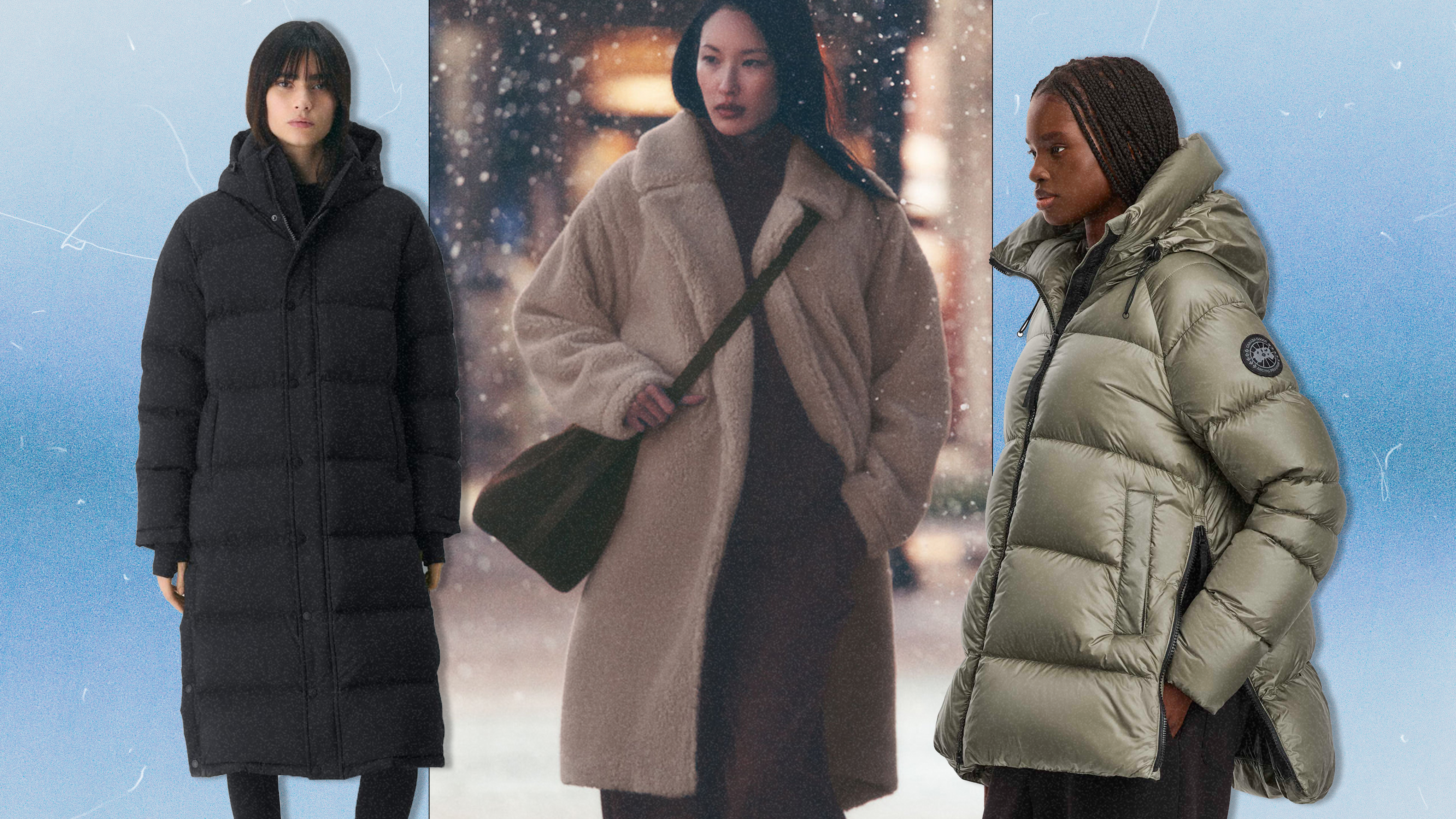
We’re seeing a move away from the extremely oversized, bulky parkas that were popular a few years ago. The trend is towards more streamlined, tailored fits that offer a more flattering silhouette without sacrificing warmth. However, comfort remains key, so parkas are still designed to accommodate layering.
Color trends are shifting towards more muted tones – earthy greens, warm grays, and deep blues – alongside classic black and navy. Pops of color are often incorporated through accents like linings, zippers, and drawstrings. Features like hidden pockets, adjustable hoods with removable fur trim, and reflective details for enhanced visibility are becoming increasingly common.
Versatility is a major focus. Parkas are now designed to be worn for a wider range of activities, from outdoor adventures to everyday commutes. This is driving demand for parkas that are both stylish and functional, offering a balance of warmth, weather protection, and comfort. You’ll see more parkas that can be dressed up or down.
- Adjustable hoods with removable faux-fur trim
- Hidden internal pockets for phones and passports
- Reflective details for enhanced visibility
- Waterproof zippers to prevent moisture intrusion
Parka Design Features - 2026
- Recycled Down Insulation - Parkas increasingly utilize recycled down, offering exceptional warmth while minimizing environmental impact. This is a shift from virgin down, appealing to eco-conscious consumers.
- Plant-Based Waterproofing - Traditional Durable Water Repellent (DWR) treatments are being replaced with plant-based alternatives, reducing reliance on harmful fluorocarbons. Look for parkas specifying bio-based DWR.
- Modular Layering Systems - Many 2026 parkas feature zip-in or snap-in liners and components, allowing wearers to customize warmth levels based on conditions. Eddie Bauer's First Ascent line exemplifies this trend.
- Enhanced Reflective Elements - Beyond basic reflectivity, parkas now incorporate strategically placed, high-visibility reflective panels and piping for increased safety in low-light conditions. North Face's Resolve Plus line often includes this.
- Hidden Security Pockets with RFID Blocking - Protecting personal data is a growing concern. Parkas now include discreet, interior pockets lined with RFID-blocking material to shield credit cards and passports.
- Oversized, Adjustable Hoods with Detachable Brims - Providing maximum face and head coverage, hoods are becoming larger and more adjustable, often with detachable brims for varying weather conditions. LLBean parkas frequently feature this.
- Articulated Sleeves & Enhanced Mobility - Designed for active lifestyles, parkas feature articulated sleeves and gusseted underarms to provide a wider range of motion without sacrificing warmth. This is common in higher-end North Face and Patagonia models.
Brand Spotlight: Leaders in Sustainability
Several brands are leading the way in sustainable parka design. LLBean has made significant commitments to reducing its environmental impact, including using recycled materials and investing in renewable energy. They’ve also implemented programs to repair and recycle their products, extending their lifespan.
Eddie Bauer is another brand actively pursuing sustainability. They’ve partnered with organizations like 1% for the Planet and are committed to using more responsible materials and manufacturing processes. Their ReCycle program encourages customers to return used clothing for recycling.
North Face is also a key player, with a focus on using recycled materials, reducing water consumption, and improving labor practices. They’ve set ambitious sustainability goals and are transparent about their progress. These brands are demonstrating that it’s possible to create high-quality, sustainable parkas without compromising performance or style.
Projected Trends in Women's Parka Materials & Features - 2026
| Material Focus | Feature Trend | Brand Examples (Early Adoption) | Projected Market Penetration |
|---|---|---|---|
| Recycled Nylon | Enhanced Waterproofing (PFC-free DWR) | Patagonia, North Face | Increasing – significant growth expected in performance wear |
| Recycled Down Certification (RDS) | Biometric Integration (health tracking) | Canada Goose (select lines), Eddie Bauer | Moderate – consumer interest growing, but price point remains a factor |
| Plant-Based Insulation (e.g., Kapok, Thermore) | Modular Design (removable liners, hoods) | LLBean (exploring options), smaller sustainable brands | Low to Moderate – scaling production is a challenge |
| Organic Cotton Linings | Smart Heating Elements (battery powered) | Arc'teryx (limited availability), specialized outdoor brands | Low – currently niche, focused on extreme cold weather |
| Bio-Based Polyurethanes (for coatings) | Improved Air Permeability for Active Use | Helly Hansen, The North Face | Moderate – balancing weather protection with breathability |
| Regenerated Nylon (Econyl) | Enhanced Durability & Repairability | Peak Performance, Fjallraven | Increasing – appealing to consumers focused on product longevity |
| Traceable Down Supply Chains | Customizable Fit Options (online tailoring) | Eddie Bauer (First Ascent line), Canada Goose (bespoke services) | Moderate – transparency is becoming a key purchasing driver |
Illustrative comparison based on the article research brief. Verify current pricing, limits, and product details in the official docs before relying on it.
The HOMAGE Parka jackets have been restocked - in time for the cold weather, and playoff run for some of these teams
— BaseballHistoryNut (@nut_history) December 11, 2025
Currently discounted, too - usually retails at $200, get it for $165 - great quality
Click that affiliate link below to see more. #NFLhttps://t.co/Dlsz1tQ342 pic.twitter.com/YklXVhI32D
No comments yet. Be the first to share your thoughts!