
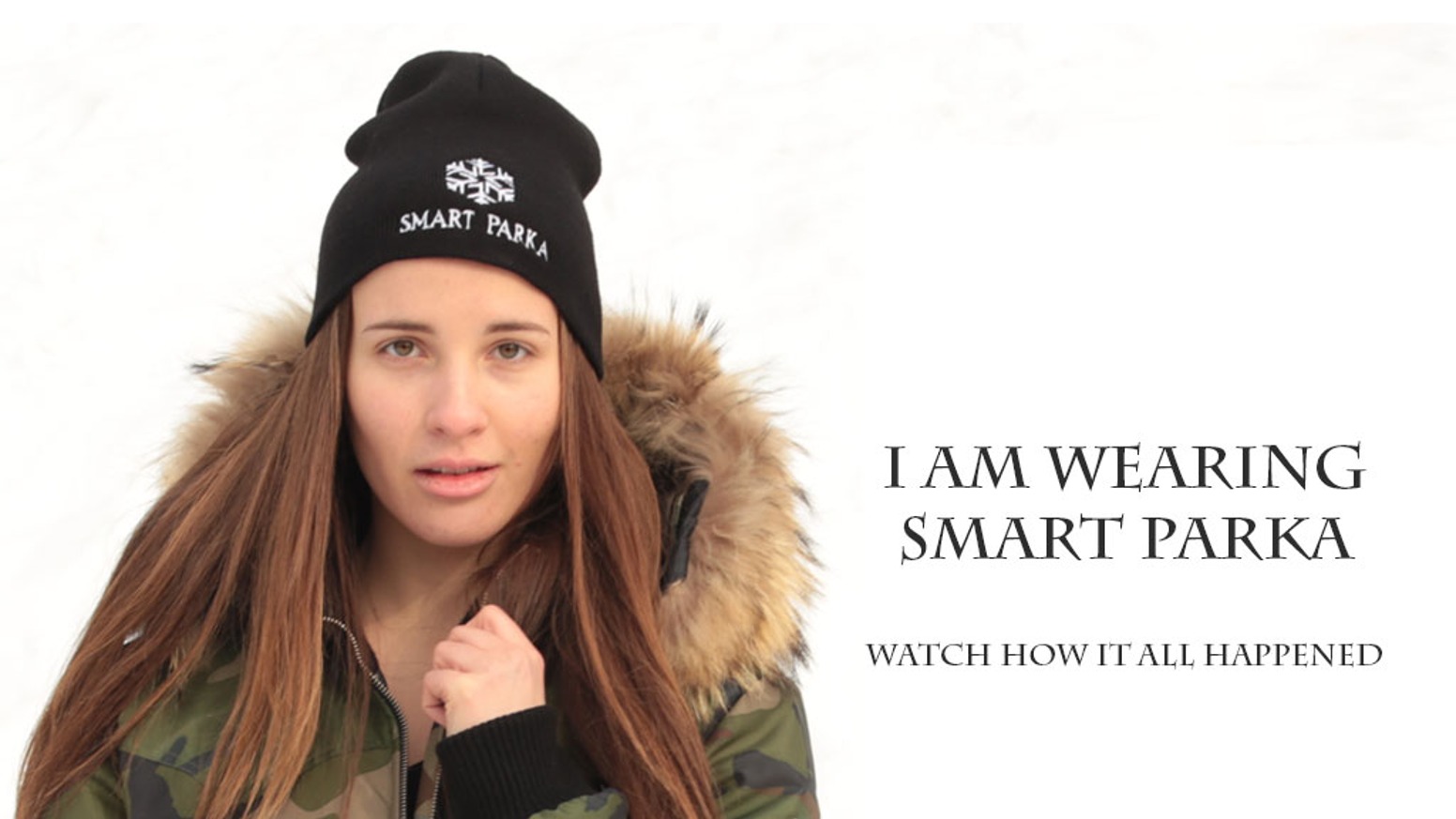

Beyond Warmth: The Rise of Smart Parkas
Winter parkas used to be just about staying warm. That's still the main job, but how we do it is changing. We're seeing technology woven right into winter wear, not just adding a heated vest, but turning the parka into a hub for sensors, connectivity, and personalized comfort.
Parkas have plenty of room and are already built to handle the weather, making them ideal for tech. You're already wearing a big outer layer, so adding a battery and heating elements doesn't change the feel much but adds real benefits. The market is noticing, and 2026 should be a big year for smart parkas.
Realistically, this tech is new, and not everyone will buy it right away. Smart parkas are currently a high-end item for early adopters willing to pay extra. Price is the main hurdle, but it should drop as the technology becomes more common.
Content is being updated. Check back soon.
Heated Elements: Core Tech & Performance
Heating is the most common tech in smart parkas. Brands put heating elements in the core body—back and chest—to keep vital organs warm. Some advanced models add heat to the hands and feet, tackling common cold spots. How well these systems work depends on the heating elements and battery life.
Battery life is a big deal. Expect 3 to 10 hours of heat per charge, depending on the heat setting and parka design. Eddie Bauer's parkas, for instance, use rechargeable lithium-ion batteries for up to 6 hours of warmth. North Face is also active here. The trade-off is simple: more heat means less battery time. Many parkas have multiple heat settings so you can balance warmth and how long the battery lasts.
I'm curious if solar-assisted charging will become more common. A full solar charge is unlikely, but even a little extra could extend battery life. Some companies are trying integrated solar panels, but their efficiency needs work to be truly useful. Power management is also getting smarter, with some parkas using algorithms to distribute heat and save energy.
Sensors & Data: Tracking Your Winter
Smart parkas do more than just keep you warm; they include sensors that track environmental and personal data. Temperature sensors are common, giving real-time info on your surroundings. Advanced models add heart rate monitors, activity trackers, and UV sensors. The goal is to give users a fuller picture of their environment and how their body reacts.
This data usually appears in a smartphone app, where you can adjust heating, track activity, and see past data. Some parkas have displays on the sleeve or hood for quick info without needing your phone. Canada Goose is known for trying this kind of integration.
Collecting this much data raises privacy concerns. Users need to know what's collected, how it's stored, and who sees it. I'm not sure how useful all this data will be for the average person, but it could help athletes or those with health issues. Transparency and user control are key.
- Temperature sensing
- Heart rate monitoring
- Activity tracking
- UV exposure measurement
Connectivity & Safety: Staying Linked
Connectivity is another important feature. Many models have Bluetooth to control settings and get phone notifications. Some parkas include GPS tracking, useful for adventures or emergencies. GearJunkie's 2026 reviews noted this as a growing trend.
Some high-end models also have Emergency SOS signals. These usually need a cellular connection to reach emergency services, sending your location and other important info. Keep in mind, these systems depend on network coverage, which isn't always available.
I think safety features will sell well. Knowing you can call for help in an emergency offers peace of mind, especially for outdoor enthusiasts. GPS tracking can also help find lost people or stolen gear.
Top Parkas with Tech: 2026 Roundup
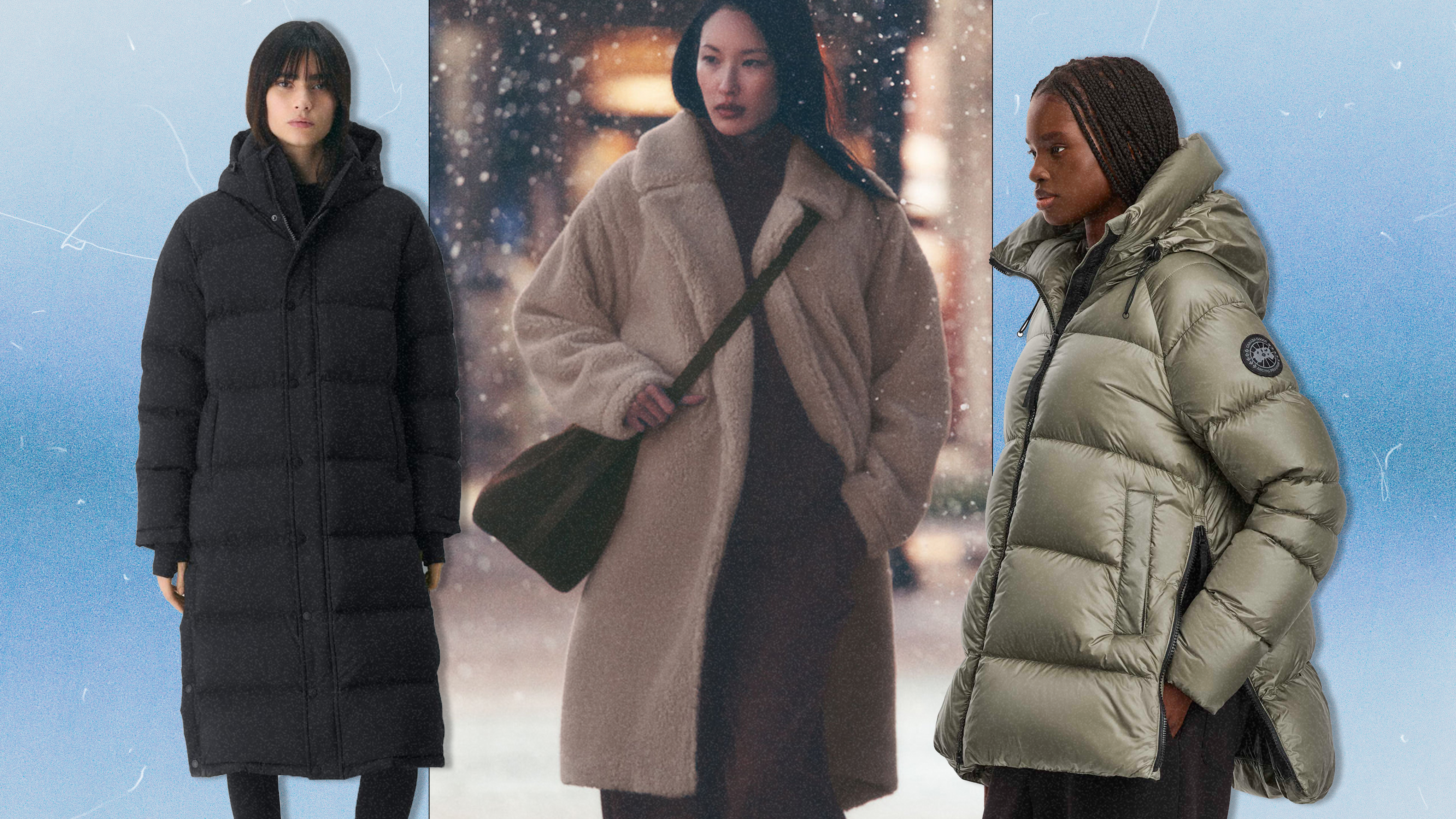
Based on recent reviews from outdoorgearlab.com and gearjunkie.com, several parkas stand out for 2026. The Canada Goose Expedition Parka (around $1200) is still a top choice, known for warmth and durability, now with heated zones and a strong battery. It's a big investment, but offers top protection in harsh conditions.
The North Face McMurdo Parka (around $800) is more affordable, balancing features and performance well. It has heated panels in the core and hands, plus a smartphone app for controls. It's a good choice for daily wear. The LLBean Smart Parka (around $650) is becoming popular for its comfortable fit and easy-to-use interface.
undefined
Finally, the Arc'teryx Therme Parka (around $900) is a premium option known for its waterproof and breathable construction, combined with integrated heating elements. It’s a great choice for those who prioritize both performance and style. These aren't just about specs; the Canada Goose offers unmatched warmth, while the Patagonia prioritizes packability.
Content is being updated. Check back soon.
Materials & Durability: Tech Meets Toughness
Integrating technology into a parka doesn’t mean sacrificing durability. Manufacturers are using a variety of techniques to ensure that smart parkas can withstand the rigors of winter weather. Waterproof and breathable fabrics, such as Gore-Tex and HyVent, are common, providing protection from rain, snow, and wind. The NYTimes continues to recommend Gore-Tex as a leading waterproof material.
However, there are concerns about the longevity of electronic components in harsh conditions. Exposure to extreme temperatures, moisture, and physical stress can all potentially damage the heating elements, sensors, and battery packs. Reputable brands are using reinforced stitching, waterproof connectors, and protective housings to mitigate these risks.
It’s easy to get caught up in the tech, but the parka still needs to be a good parka. The materials need to be durable, the construction needs to be solid, and the design needs to be functional. A smart parka that falls apart after a few seasons isn’t worth the investment. Look for parkas with high waterproof ratings (at least 10,000mm) and durable fabrics.
Future Trends: What’s on the Horizon?
The future of smart parkas is likely to be defined by even more advanced sensors, AI-powered temperature regulation, and seamless integration with other wearable devices. We might see parkas that can automatically adjust the heating level based on your activity level and the surrounding conditions, optimizing both comfort and battery life.
Energy harvesting technologies, such as thermoelectric generators that convert body heat into electricity, could also play a role in extending battery life. While these technologies are still in their early stages of development, they have the potential to significantly reduce the reliance on external power sources. Imagine a parka that partially recharges itself as you move.
I’m particularly interested in seeing if we’ll move beyond simple heating to more sophisticated climate control. Perhaps we’ll see parkas with integrated cooling systems for warmer winter days, or even systems that can regulate humidity levels. The possibilities are endless, and the pace of innovation in this space is rapid. It's a really exciting time to be watching the evolution of winter wear.
No comments yet. Be the first to share your thoughts!